 Skip to content



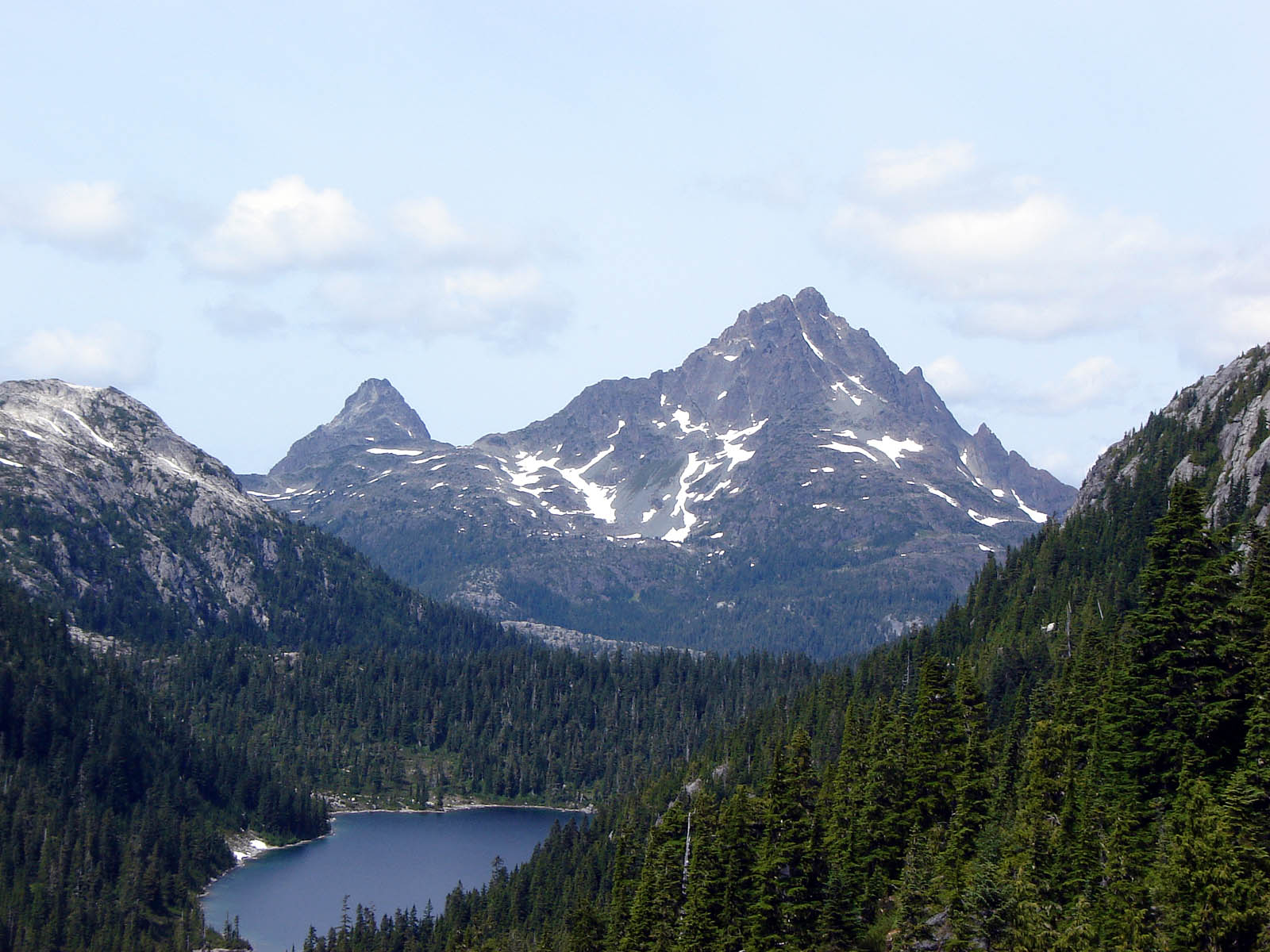
Vancouver Island is a destination that feels vast, varied, and quietly immersive. Stretching along the west coast of British Columbia, it offers everything from rugged shorelines and dense temperate rainforest to small coastal towns and laid-back island communities. Unlike many destinations that revolve around a single city or attraction, Vancouver Island is defined by its diversity.
What makes Vancouver Island particularly appealing is the sense of space it provides. Even during peak travel seasons, it’s still possible to find quiet stretches of coastline, uncrowded forest trails, and slower-paced towns that feel far removed from mainland life. Nature plays a central role here — not as a backdrop, but as part of everyday experience.
This guide covers everything YOU need to know before visiting Vancouver Island. From safety and accessibility to costs, climate, and what kind of experience you can realistically expect, this post is designed to help you understand whether Vancouver Island suits your style of travel and how to prepare before you arrive.
Overall Destination Rating

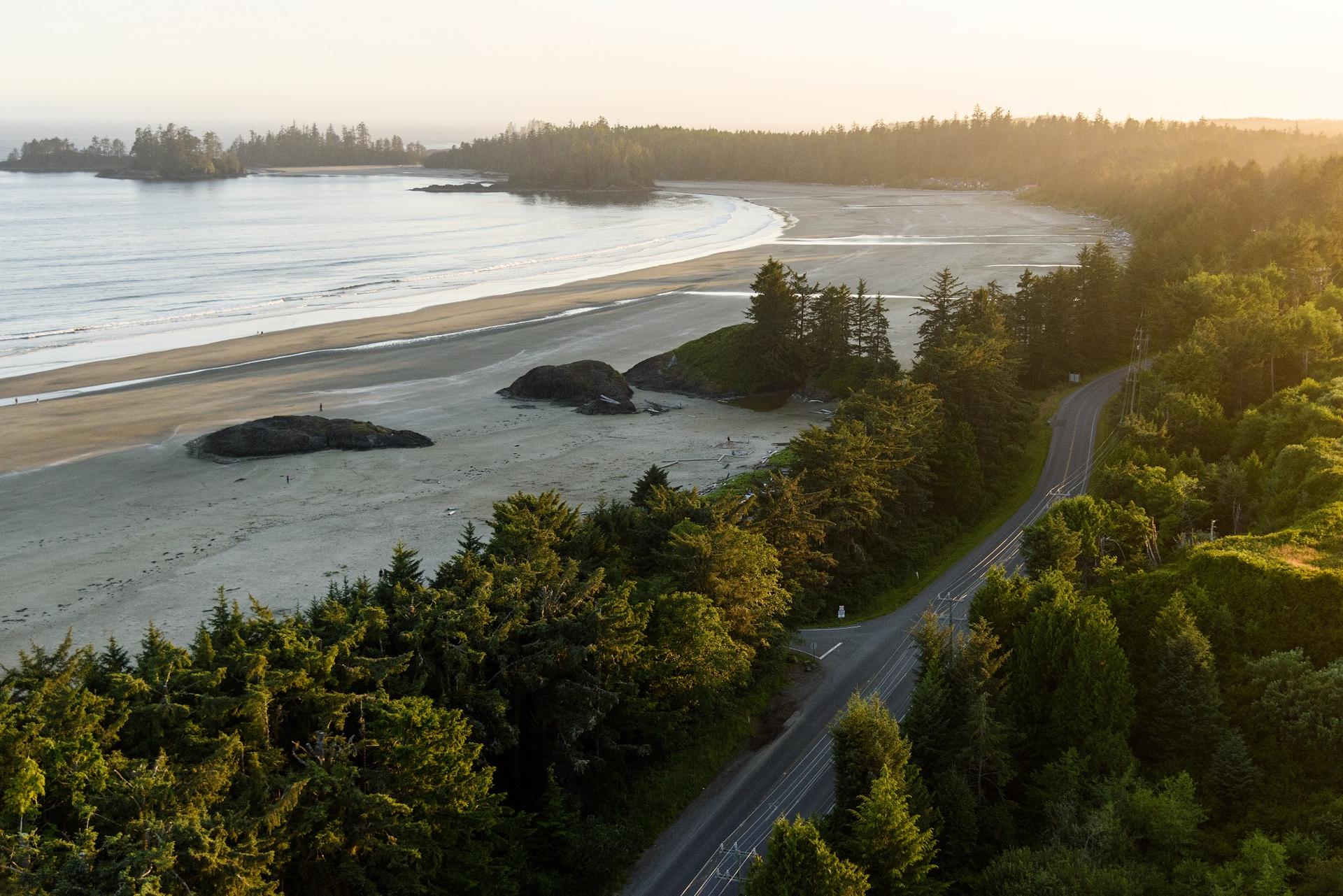
Vancouver Island is best suited to travellers who value nature, flexibility, and slower travel. It’s not a destination built around landmarks you rush between, but one where the journey itself becomes part of the experience. Long coastal drives, ferry crossings, and quiet evenings are all part of the rhythm.
Those who enjoy outdoor activities, small towns, and varied landscapes tend to find Vancouver Island especially rewarding. While distances between destinations can be longer than expected, the overall experience is consistently calm, scenic, and grounding.
Safety


Vancouver Island is generally considered very safe for visitors. Violent crime rates are low, and most towns and communities feel relaxed and welcoming. Travellers often comment on how comfortable they feel moving around, even in more remote areas.
That said, safety considerations here are more often related to nature rather than people. Wildlife encounters, changing weather conditions, and remote terrain are all factors to keep in mind, particularly when exploring beaches, forests, or backcountry areas.
Basic precautions — such as carrying proper gear, checking weather forecasts, and respecting wildlife — go a long way in ensuring a safe and enjoyable visit.
Accessibility
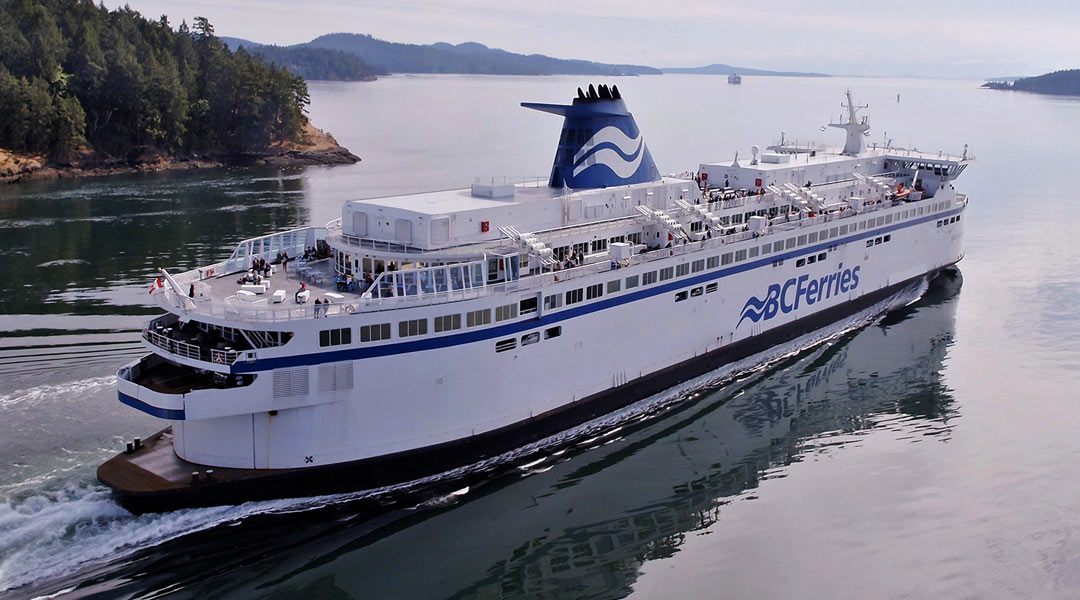
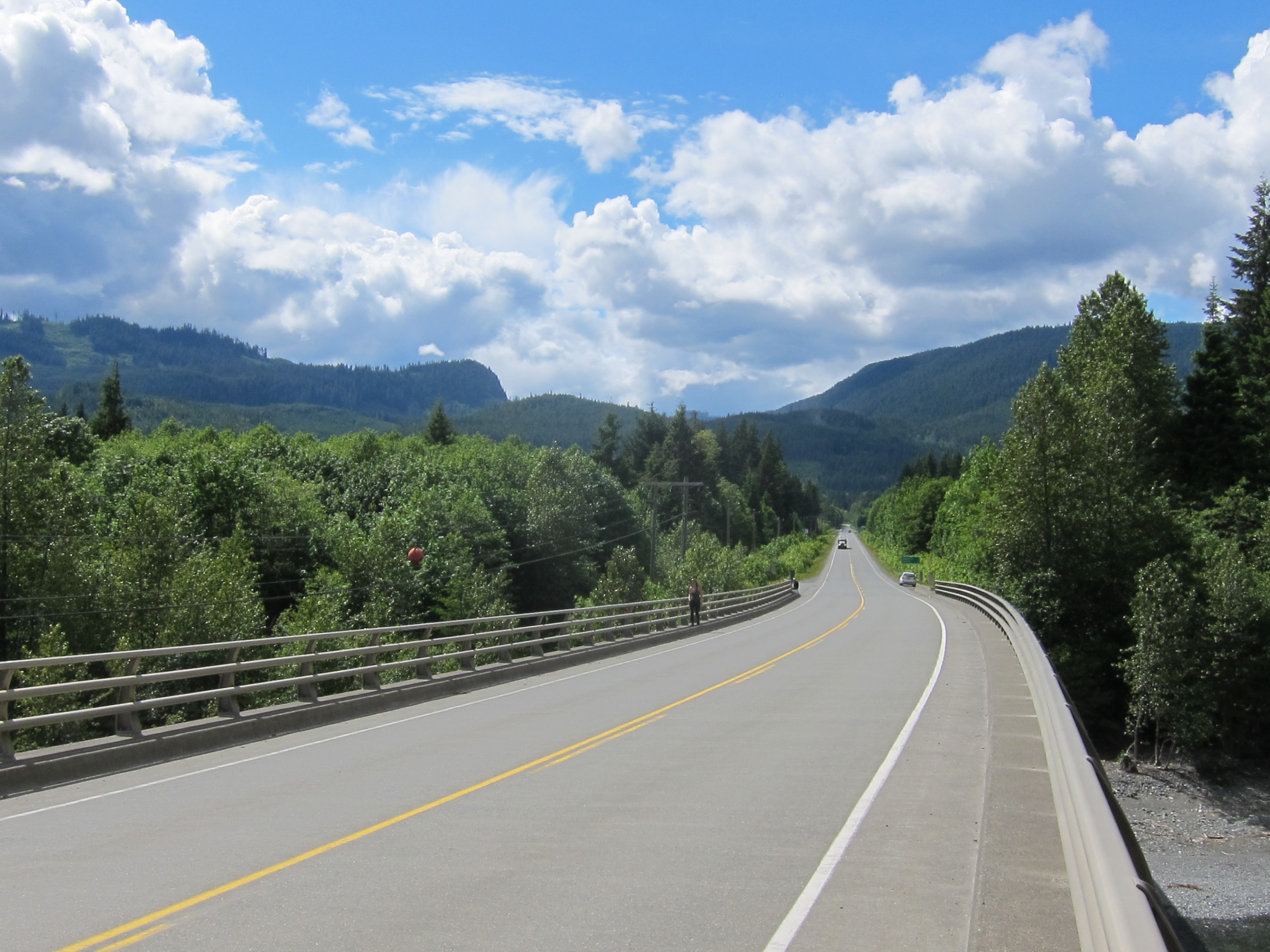
Accessibility on Vancouver Island depends largely on how you plan to travel. While there are public transport options within larger towns and cities, having a vehicle is strongly recommended for exploring the island fully.
Access to the island itself is primarily via ferry from the mainland, with routes connecting to southern and central parts of the island. Once there, distances between destinations can be significant, and many of the island’s highlights are located outside urban centres.
For travellers with mobility needs, towns such as Victoria and Nanaimo are generally well-equipped, though rural areas and natural attractions may be less accessible due to uneven terrain and limited infrastructure.
Language


English is the primary language spoken throughout Vancouver Island, and visitors will have no difficulty communicating during their stay. In more urban areas, you may hear a range of other languages reflecting Canada’s multicultural population.
In smaller communities, interactions tend to feel personal and informal. Locals are generally approachable and happy to offer directions or advice when asked, contributing to the island’s relaxed atmosphere.
Attractions and Activities
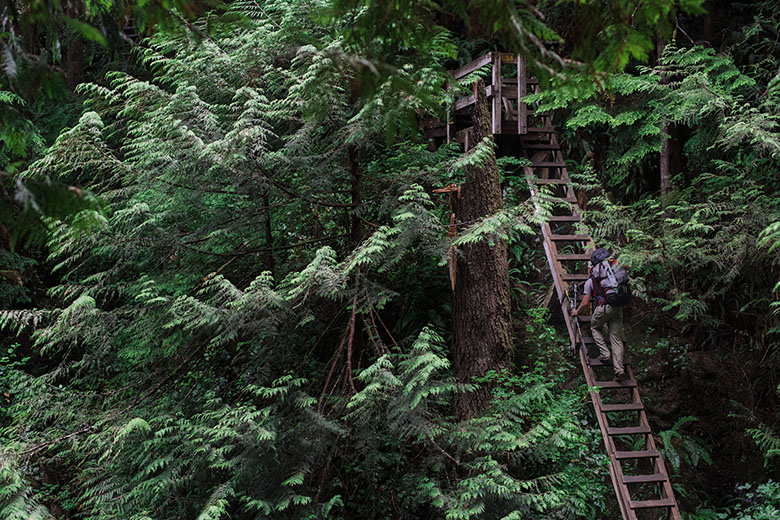
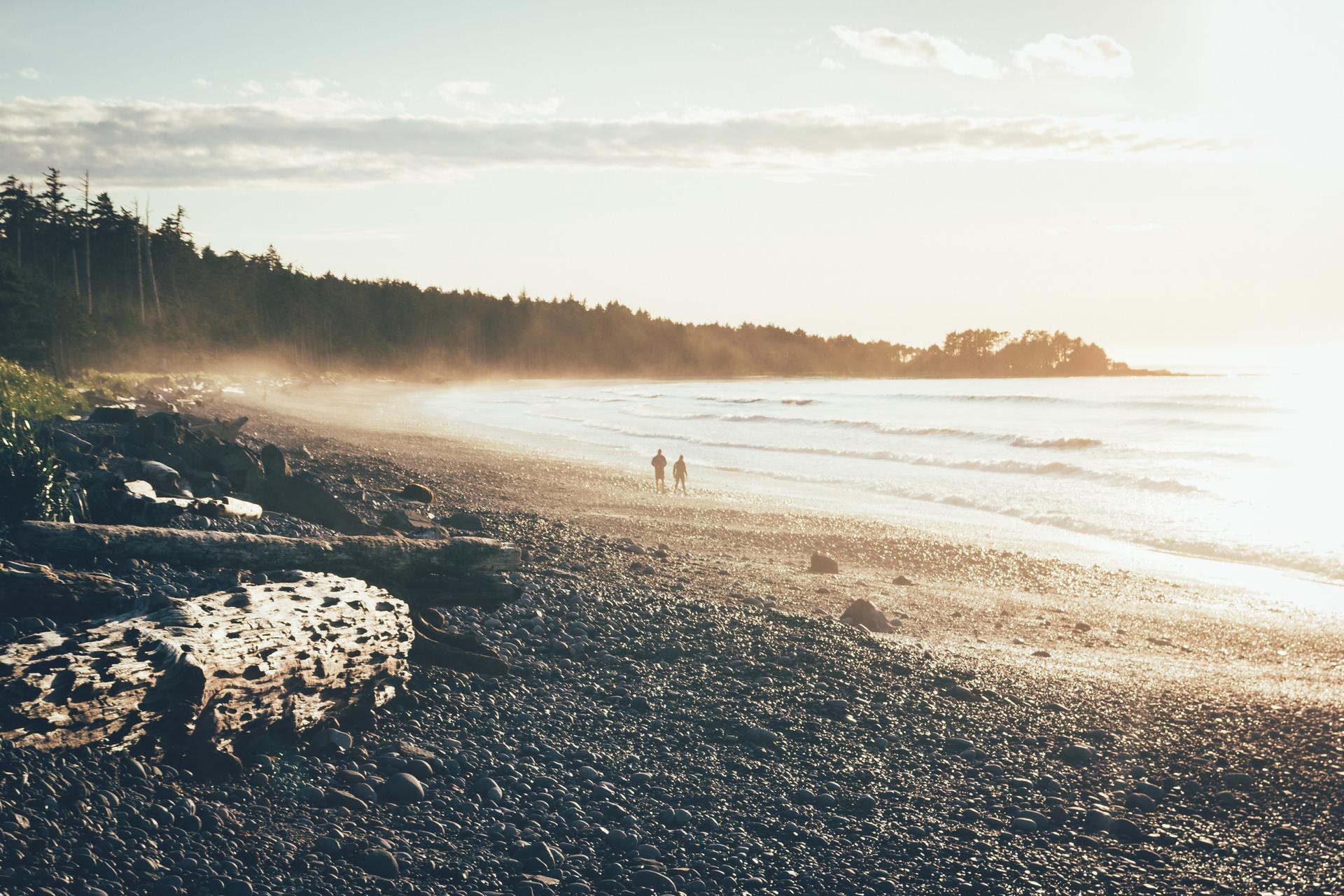

Vancouver Island’s attractions are largely shaped by its natural environment. Coastal walks, forest hikes, and beach exploration are central to the experience, with opportunities ranging from gentle strolls to more demanding outdoor adventures.
Wildlife viewing is a major draw, with chances to spot whales, sea lions, eagles, and bears depending on location and season. Water-based activities such as kayaking and paddleboarding are popular along sheltered coastlines, while surfers are drawn to the island’s exposed western shores.
Cultural attractions also play a role, particularly in historic towns and Indigenous communities where art, history, and local traditions add depth to the travel experience.
Accommodation and Amenities

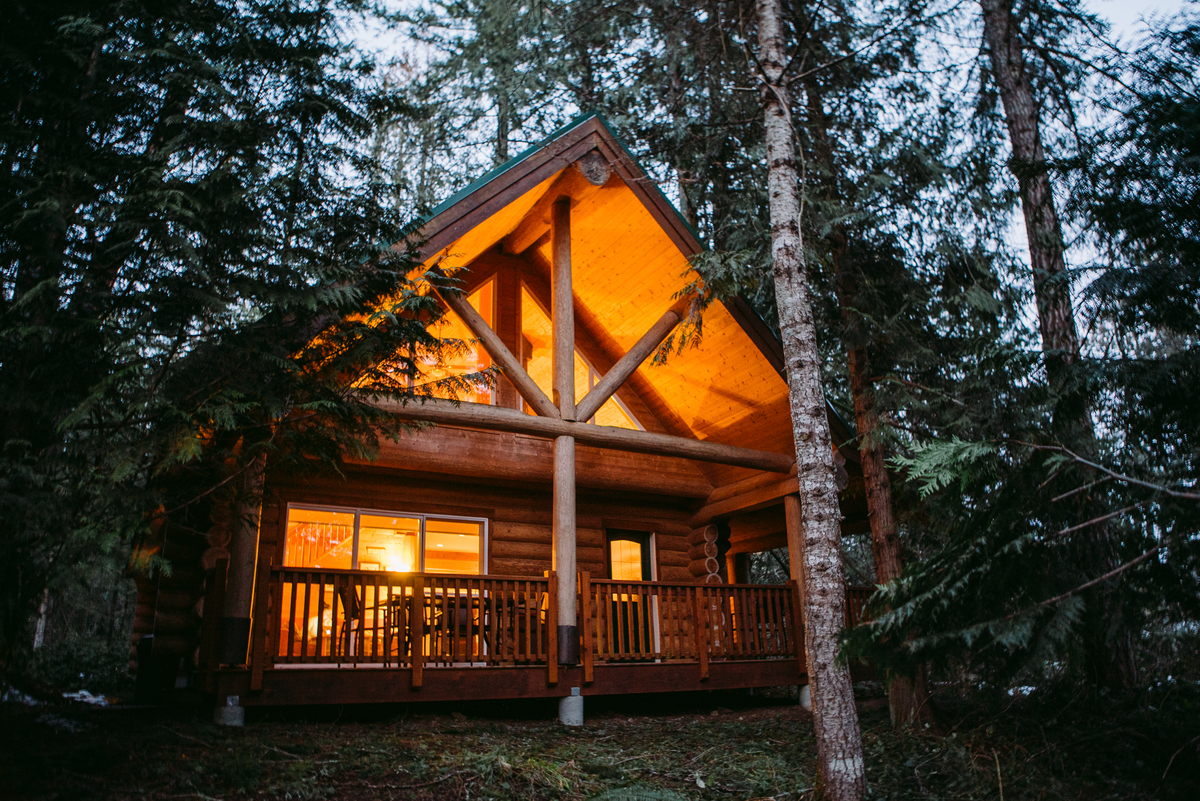
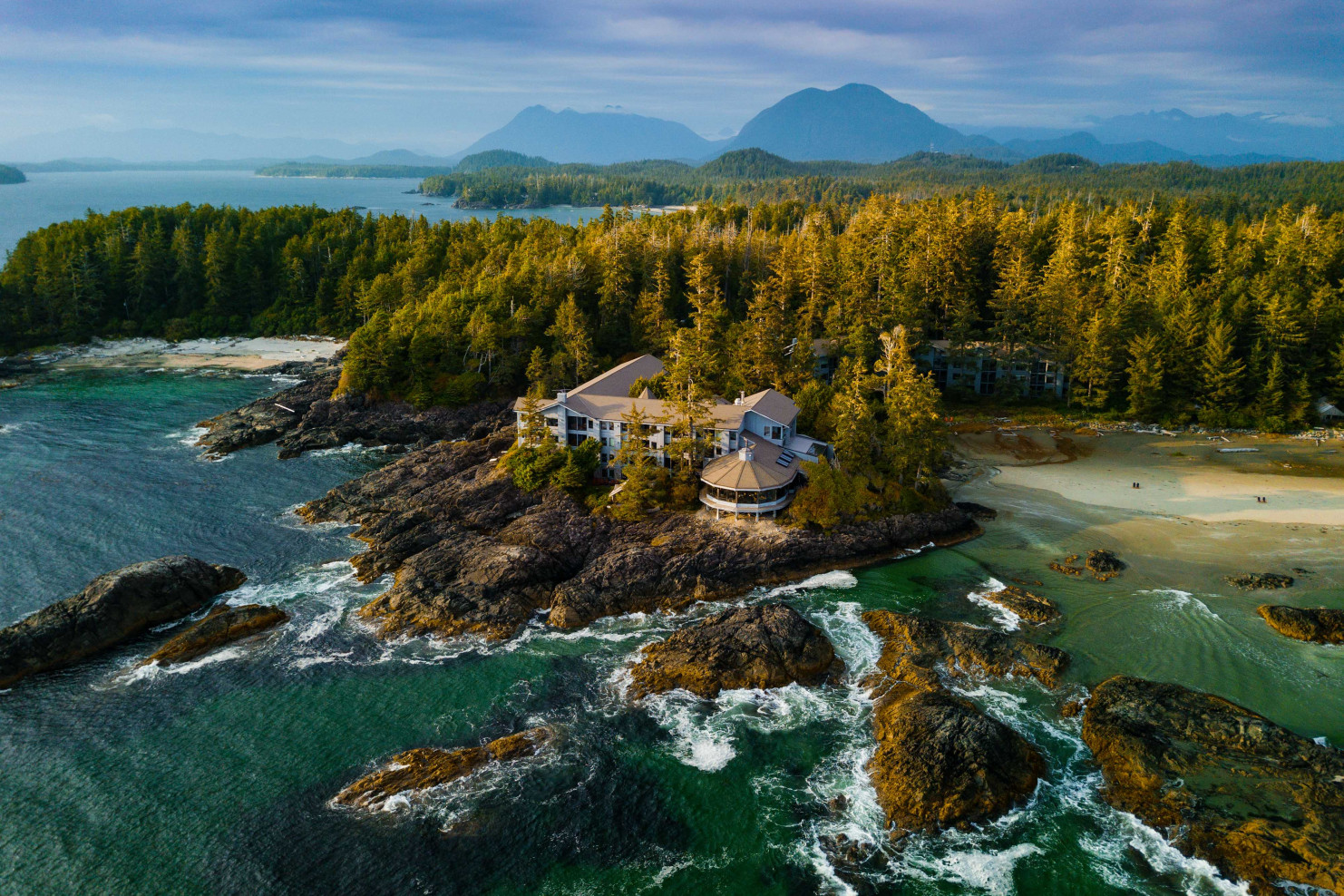
Accommodation on Vancouver Island ranges from full-service hotels and resorts to cabins, campgrounds, and small locally run lodges. Options vary widely depending on location, with more variety available in southern and central parts of the island.
Amenities are generally reliable in populated areas, including grocery stores, fuel stations, and medical services. In more remote regions, services can be limited, making advance planning important — particularly for food, fuel, and accommodation.
Cost

Vancouver Island can be moderately expensive, particularly during summer months when demand is highest. Accommodation prices tend to rise during peak season, and ferry costs should also be factored into overall travel expenses.
That said, many of the island’s best experiences — beaches, forests, scenic drives — are free or low-cost. Travellers who balance paid activities with time spent outdoors often find Vancouver Island to be good value overall.
Local Hospitality


Hospitality on Vancouver Island is best described as friendly and unhurried. Locals often value a slower pace of life, and this attitude extends to how visitors are treated.
While service may feel less formal than in larger cities, it is generally genuine and welcoming. Travellers who approach the island with patience and respect for local rhythms tend to feel at ease quickly.
Climate and Weather
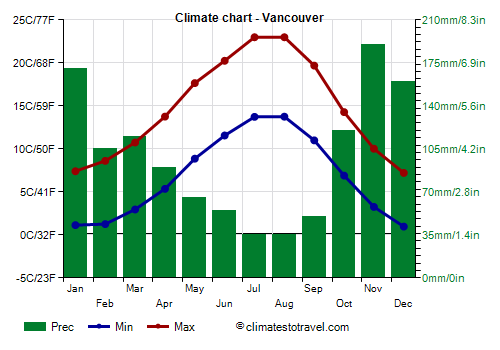


Vancouver Island has a mild coastal climate, particularly in the southern regions. Winters are cool and wet rather than harsh, while summers are typically dry and comfortable.
Weather can vary significantly depending on location. The west coast is known for higher rainfall and dramatic conditions, while eastern areas are generally drier. Packing layers and rain protection is advisable year-round.
