 Skip to content


Montreal is a city that reveals itself gradually. At first, it feels busy and energetic, but the longer you spend walking its streets, the more depth it shows. Historic stone buildings sit beside modern cafés, French and English blend effortlessly, and each neighborhood carries its own personality.
It’s a city that values culture, food, and expression over rushing from one attraction to the next. Whether you’re visiting for a short stay or building it into a longer Canadian itinerary, Montreal offers a balance of history, creativity, and everyday life that feels distinctly its own.
This Travel Guide covers everything YOU need to know before visiting Montreal, using the same structure as our other destination guides.
For more, head to Things to do in Montreal
Montreal – Navigate our page below
- Overall Destination Rating
- Safety
- Accessibility
- Attractions & Activities
- Accommodation & Amenities
- Cost
- Local Hospitality ( Local Friendliness & Language)
- Climate & Weather
- Map of Montreal
Looking for a different destination? Head to the Explore The World page to find your next destination!
Overall Destination Rating
Montreal stands out as one of Canada’s most well-rounded cities. It offers a strong mix of culture, walkability, food, history, and atmosphere. While it may not have dramatic mountain backdrops like western destinations, it more than compensates with personality, neighbourhood diversity, and a strong sense of identity.
It’s a destination that appeals to travellers who enjoy exploring slowly, eating well, and experiencing local culture rather than ticking off landmarks.
Safety
Montreal is considered a very safe city for visitors. Violent crime is rare in tourist areas, and most neighbourhoods feel comfortable to walk through during the day and evening. As with any major city, basic awareness is advised, particularly late at night in quieter areas.
Public transport is well-lit and widely used, contributing to an overall sense of safety for travellers.
Accessibility
Montreal is relatively accessible, with flat terrain across much of the city and a strong public transport network. The metro system connects most major areas, and many neighbourhoods are easily explored on foot.
However, some older parts of the city — particularly Old Montreal — feature cobblestone streets and historic buildings that may present challenges for visitors with limited mobility.
Language
French is the primary language in Montreal, but the city is highly bilingual. English is widely spoken, especially in hospitality, retail, and tourist-facing services. Visitors can comfortably navigate the city without speaking French, though learning a few basic phrases is always appreciated.
The bilingual nature of the city adds to its cultural depth rather than creating barriers.
Attractions and Activities
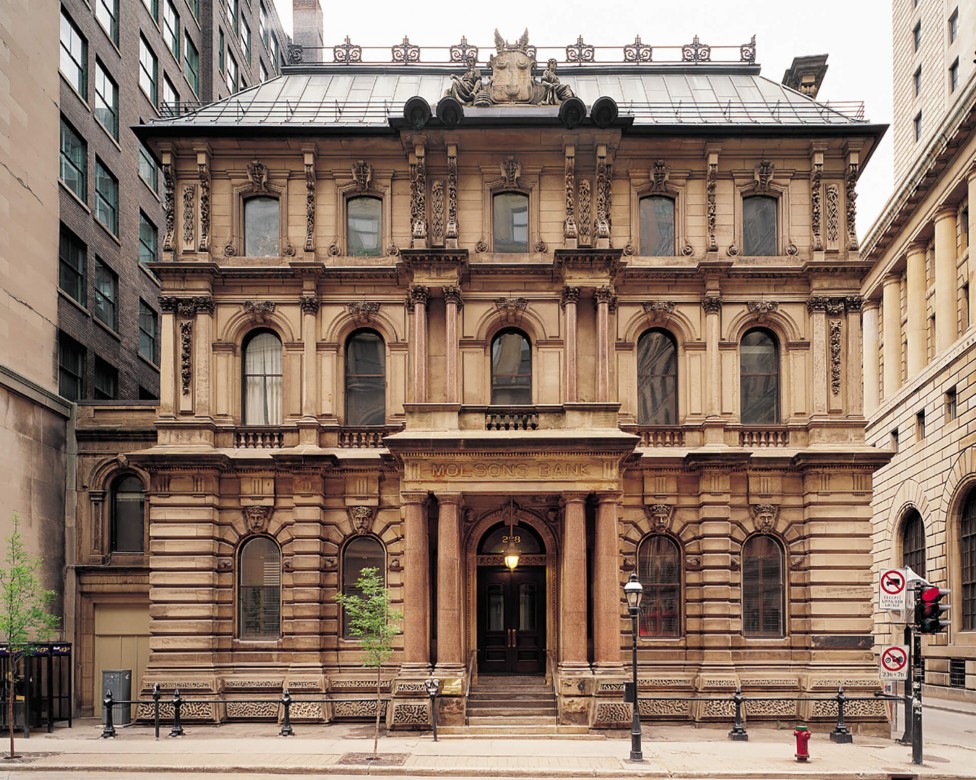

Montreal offers a broad range of attractions without feeling overwhelming.
Highlights include:
Old Montreal, with its historic streets and riverfront
Notre-Dame Basilica, one of the most striking interiors in Canada
Mount Royal, offering panoramic city views
Neighbourhood exploration, particularly Plateau Mont-Royal and Mile End
Museums and galleries, covering art, history, and contemporary culture
Many of Montreal’s best experiences come from simply walking, observing, and letting the city unfold naturally.
Accommodation and Amenities
Montreal offers a wide range of accommodation options, from boutique hotels in Old Montreal to modern stays downtown and apartment-style lodging in residential neighborhoods.
Amenities are excellent across the city, with easy access to grocery stores, cafés, pharmacies, public transport, and healthcare. Visitors will find everything they need within close reach, regardless of where they stay.
Cost
Compared to other major North American cities, Montreal is relatively affordable. Accommodation, food, and public transport are reasonably priced, particularly outside peak summer months.
Dining offers strong value, with high-quality food available at both casual and mid-range price points. Overall, Montreal provides a good balance between cost and experience.
Local Hospitality
Montreal is welcoming without being overbearing. Locals are generally friendly, open, and accustomed to visitors. Service in cafés and restaurants tends to be relaxed rather than rushed, reflecting the city’s slower pace.
While interactions may feel less overtly enthusiastic than in some destinations, hospitality is genuine and respectful.
Climate and Weather
Montreal experiences four distinct seasons.
Spring: Mild and quieter, with the city slowly coming to life
Summer: Warm, lively, and festival-filled
Autumn: Cool, colourful, and calm — one of the best times to visit
Winter: Cold and snowy, but atmospheric and culturally rich
Weather can change quickly, so layering is recommended year-round.
Map of Montreal
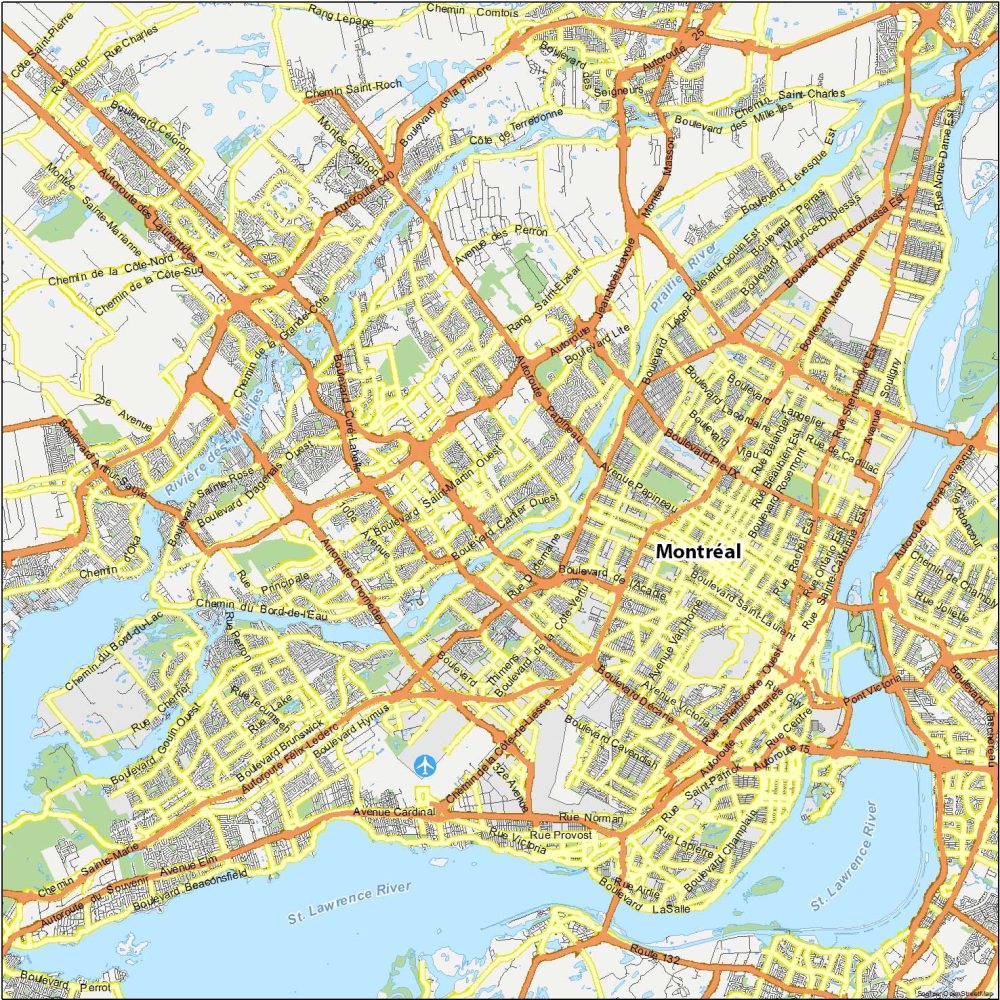
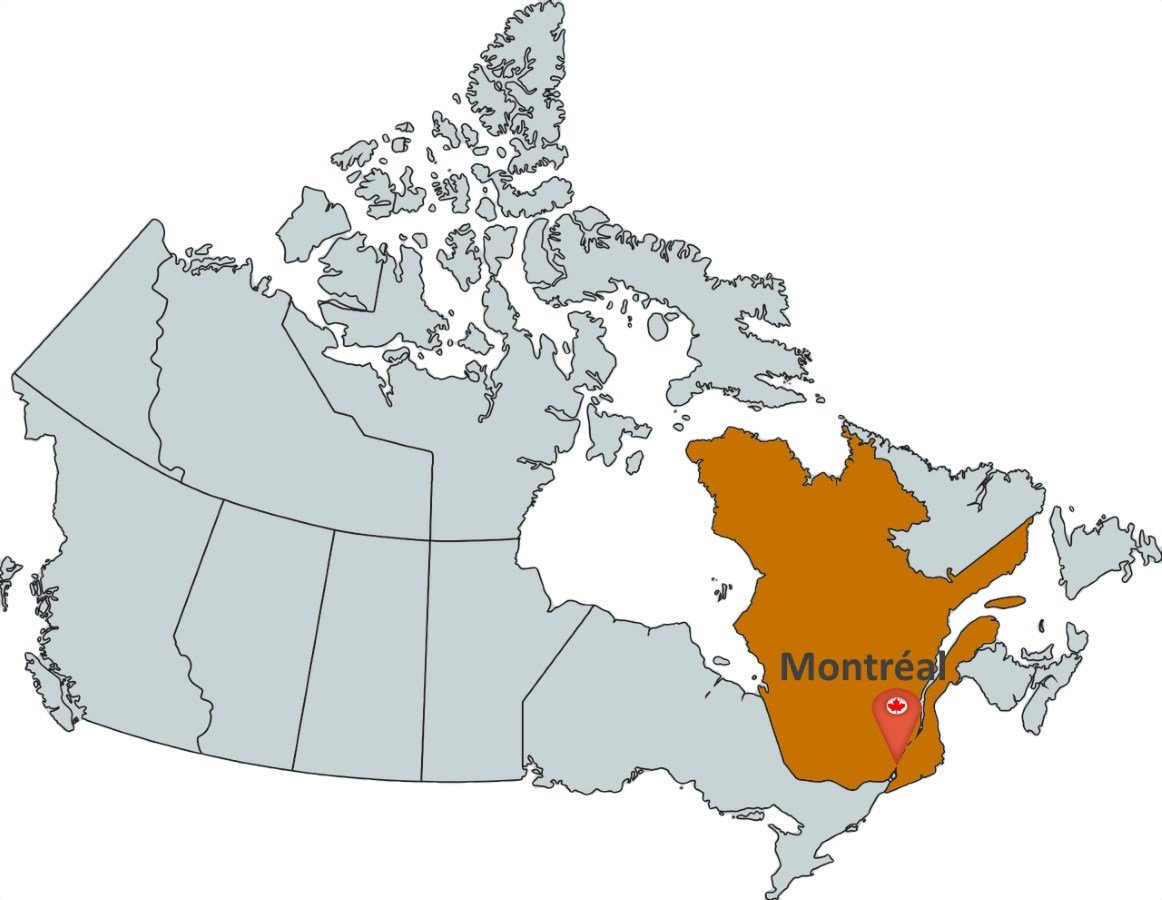
Montreal is located in eastern Canada, within the province of Quebec, sitting on an island in the Saint Lawrence River. Its position makes it an ideal stop when travelling through eastern Canada, particularly when paired with Quebec City or nearby regions.
Final Thoughts
Montreal is a city built on character rather than spectacle. It doesn’t rely on a single attraction to define it — instead, it offers depth through neighborhoods, food, culture, and everyday life.
For travelers looking to experience a different side of Canada — one shaped by history, creativity, and language — Montreal is a destination that rewards time, curiosity, and a slower pace.