 Skip to content



Vancouver is one of those cities that often defies expectations. Framed by ocean on one side and mountains on the other, it manages to feel both relaxed and energetic at the same time. It’s a city where nature isn’t something you escape to on the weekend. It’s woven directly into everyday life.
Located on Canada’s west coast in British Columbia, Vancouver consistently ranks as one of the world’s most liveable cities. That reputation comes not from grand monuments or historic old towns, but from balance. Urban density sits alongside vast green spaces, neighbourhoods feel distinct without being disconnected. Outdoor adventure is always within easy reach.
This guide covers everything YOU need to know before visiting Vancouver — from safety and accessibility to costs, climate, attractions, and what kind of experience you can realistically expect. Whether Vancouver is a short stop on a longer Canadian trip or the main destination itself, this post is designed to help you arrive informed and prepared.
Overall Destination Rating

Vancouver is best described as a city that quietly grows on you. It may not overwhelm you on day one, but the longer you stay, the more its rhythm begins to make sense. The combination of walkable neighbourhoods, access to nature, and relaxed coastal culture makes it appealing to a wide range of travellers.
It’s particularly well suited to those who enjoy being active, value green space, and prefer cities that don’t feel overly hectic. While it can be expensive and occasionally weather-dependent, the overall experience is consistently rewarding for travellers who appreciate balance over spectacle.
Safety
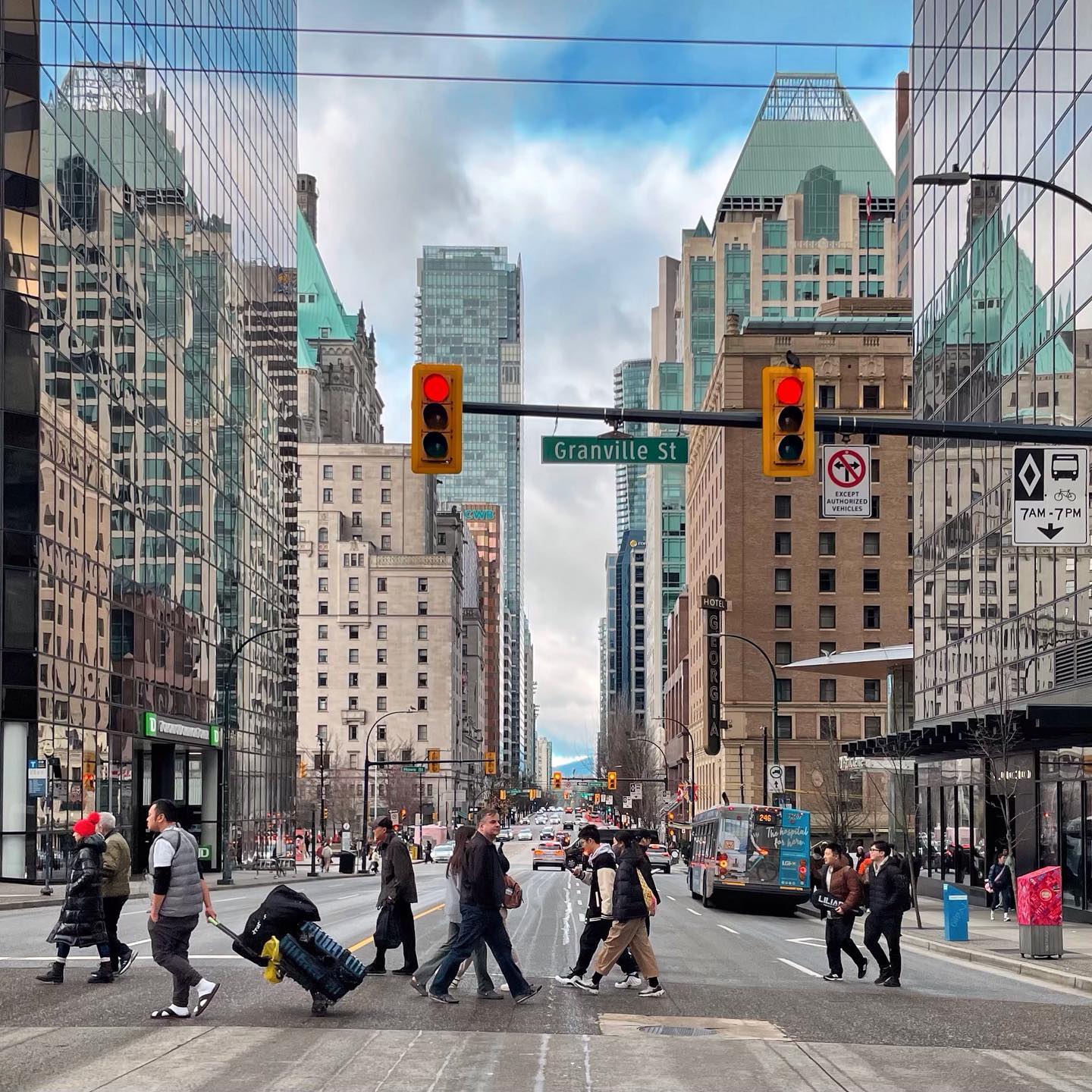

Vancouver is generally considered a safe city for visitors, especially when compared to other major North American cities. Violent crime rates are low, and most areas frequented by tourists feel comfortable both day and night.
That said, like any large city, there are neighbourhoods where increased awareness is advised. Parts of the Downtown Eastside, for example, are known for visible homelessness and drug use. While this area is unlikely to impact most travellers directly, it’s something to be aware of when navigating the city.
Petty theft, such as bike theft or car break-ins, does occur, so basic precautions are recommended. Overall, Vancouver feels calm and orderly, and solo travellers generally report feeling safe moving around the city.
Accessibility


Vancouver is one of the most accessible cities in Canada. Public transport is reliable and easy to understand, consisting of buses, the SkyTrain, and SeaBus connections across the region. Many visitors find they don’t need a car at all during their stay.
The city is also highly walkable, particularly in areas such as Downtown, Yaletown, Kitsilano, and Mount Pleasant. Cycling infrastructure is well developed, and the Seawall provides a scenic and accessible route around much of the waterfront.
For travellers with mobility needs, Vancouver performs well. Sidewalks, public buildings, and transport options are generally designed with accessibility in mind, though some older neighbourhoods may have steeper terrain.
Language
English is the primary language spoken in Vancouver, and travellers will have no difficulty communicating throughout the city. Vancouver is also one of the most multicultural cities in Canada, with a wide range of languages spoken across different neighbourhoods.
You’ll often hear Cantonese, Mandarin, Punjabi, and Tagalog, reflecting the city’s diverse population. Despite this, English is universally understood in shops, restaurants, hotels, and public services, making Vancouver an easy destination for international visitors.
Attractions and Activities

Vancouver’s main appeal lies in how seamlessly it blends urban life with outdoor experiences. One moment you can be walking through a dense downtown core, and the next you’re surrounded by forest, beaches, or mountain views.
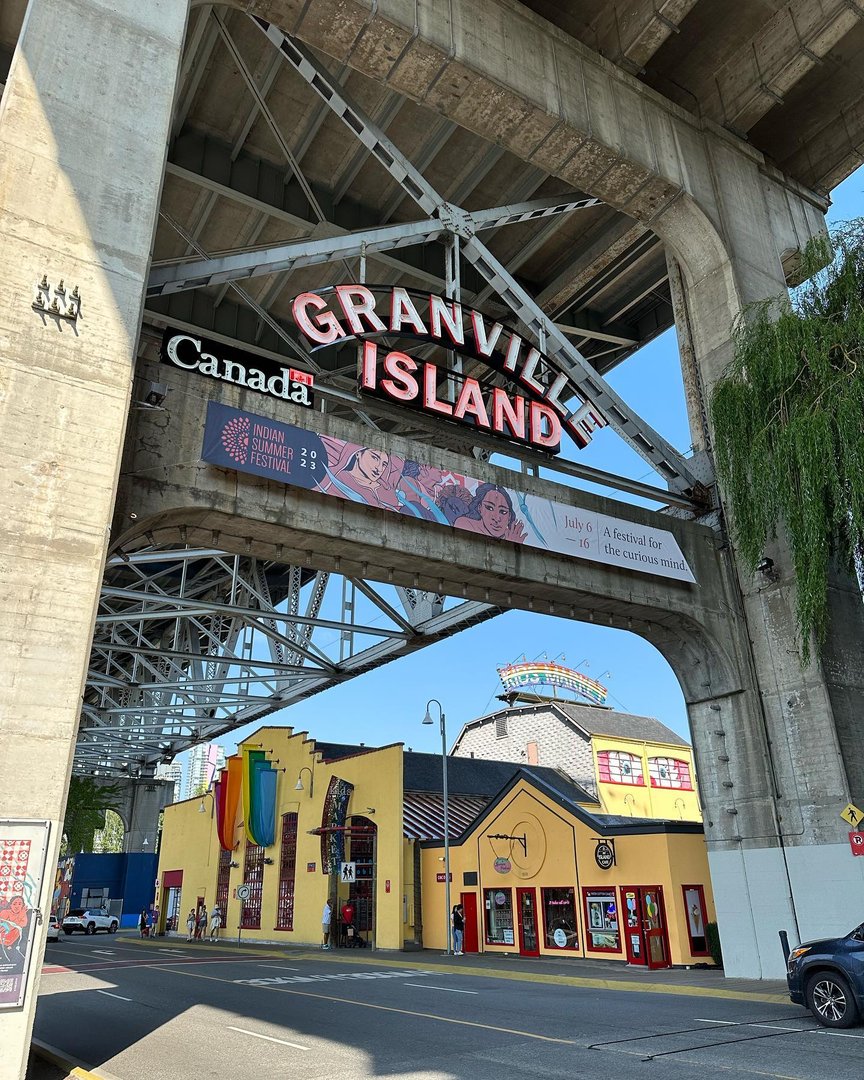
Stanley Park is a standout attraction — a vast green space bordering the city centre, offering walking and cycling paths, beaches, and scenic viewpoints. Granville Island provides a more cultural experience, with markets, artisan shops, and waterfront dining.
For those seeking elevation, nearby mountains such as Grouse Mountain and Cypress Mountain offer hiking in summer and skiing in winter. The variety of activities available means Vancouver works just as well for relaxed travellers as it does for adventure-focused ones.
Accommodation and Amenities
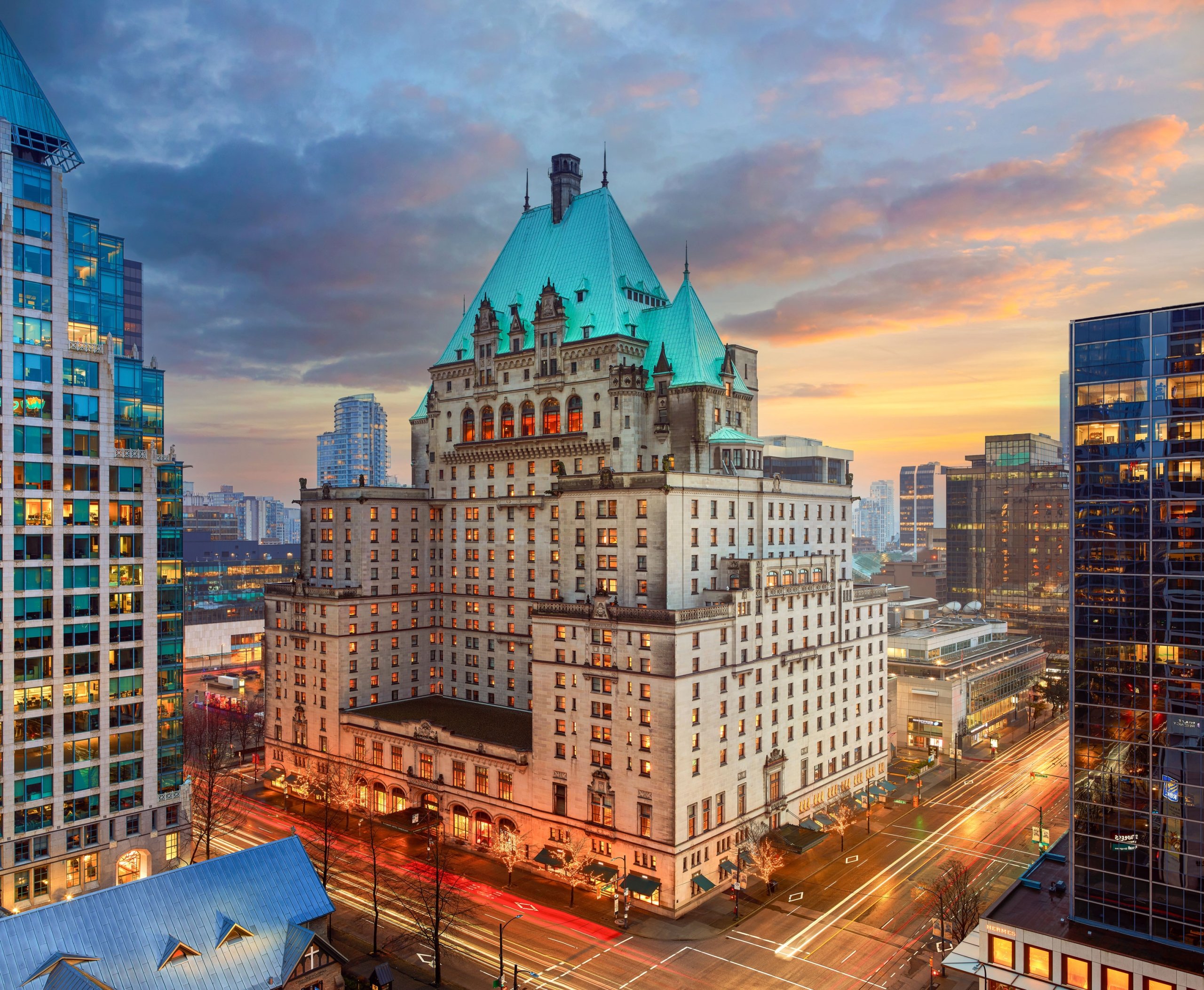
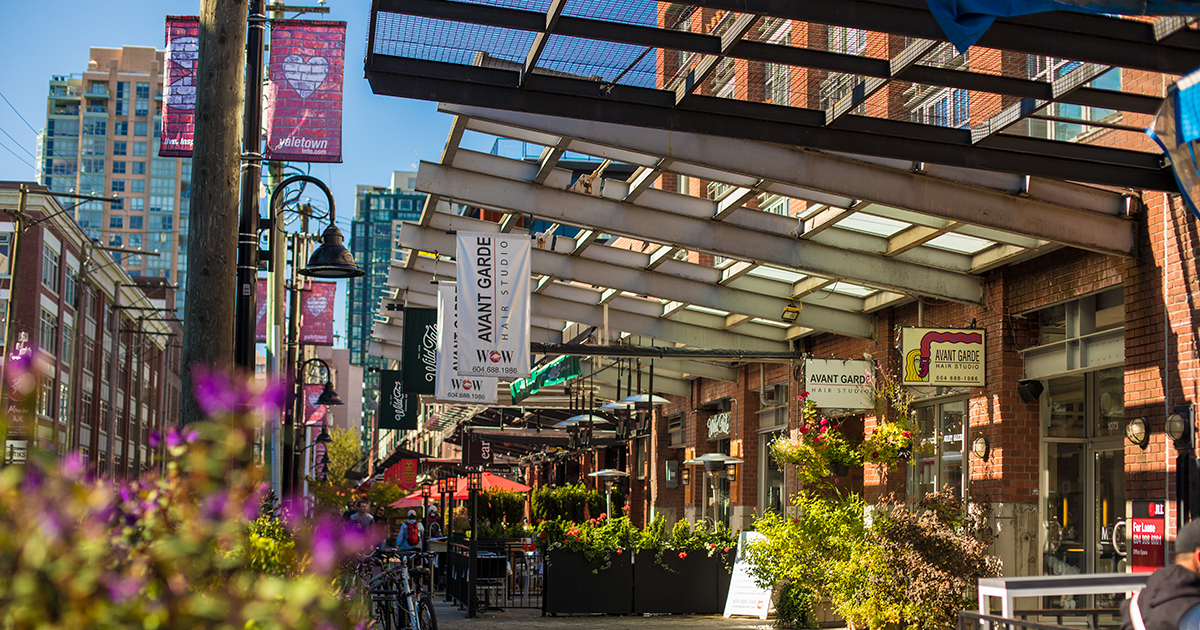

Vancouver offers a wide range of accommodation options, from high-end waterfront hotels to boutique stays and budget-friendly hostels. Downtown and Yaletown are popular choices for first-time visitors due to their central location and access to public transport.
Neighbourhoods such as Kitsilano and Mount Pleasant provide a quieter, more local feel while still being well connected to the city centre. Amenities across the city are modern and reliable, with easy access to supermarkets, pharmacies, healthcare, and dining options.
Cost

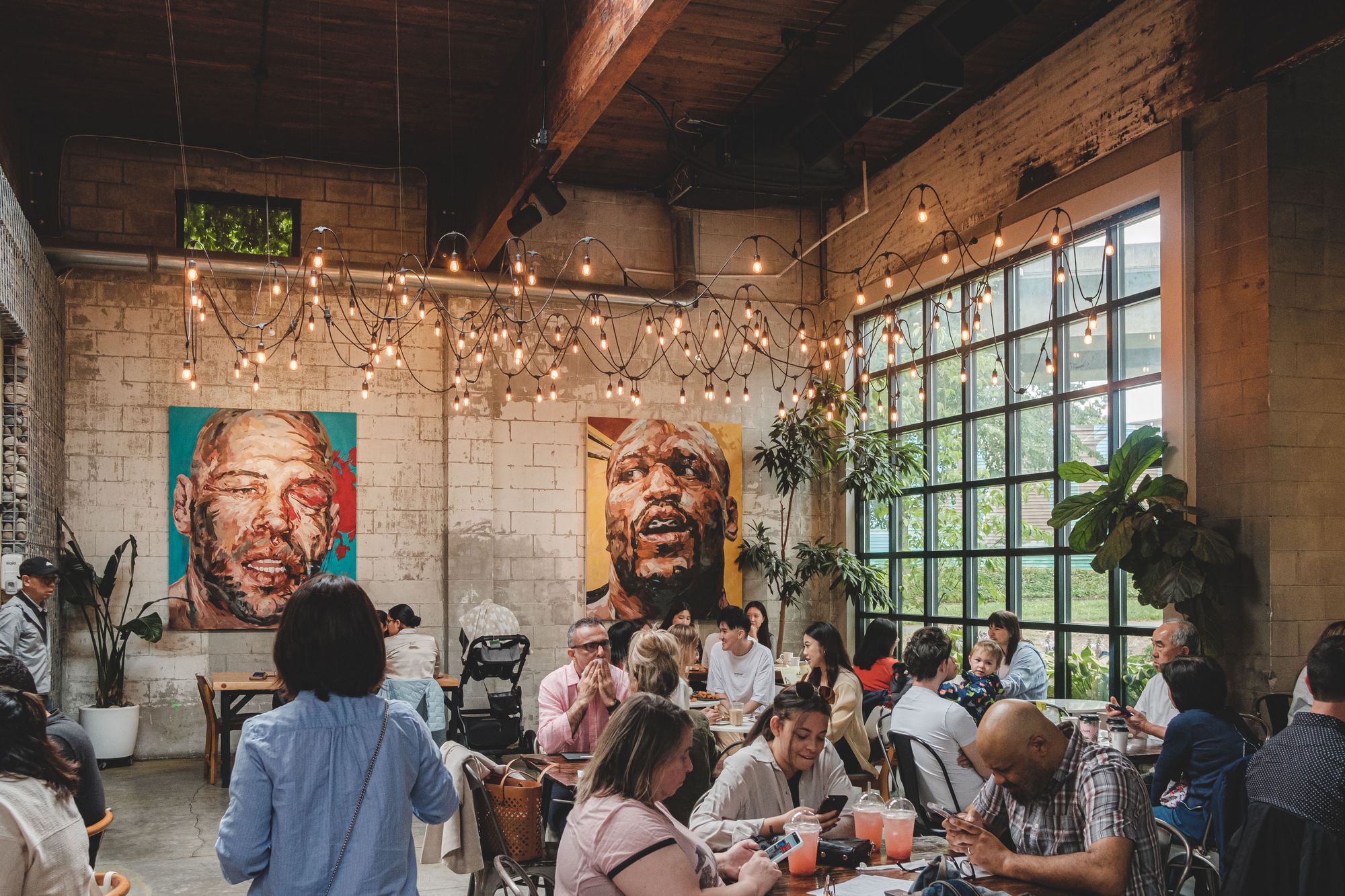
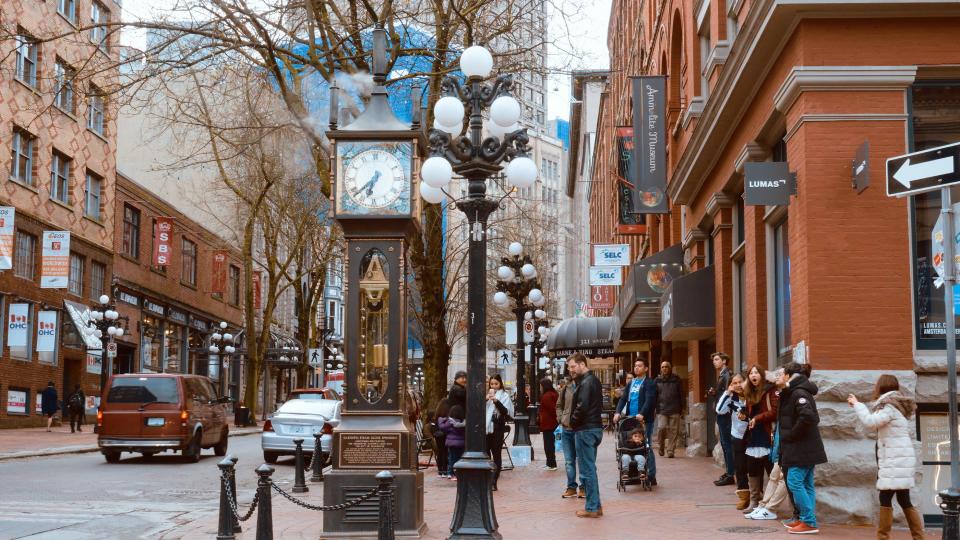
Vancouver is one of the more expensive cities in Canada, particularly when it comes to accommodation and dining. Hotel prices can be high during peak summer months, and eating out regularly can add up quickly.
That said, there are ways to manage costs. Public transport is affordable, many of the city’s best experiences are free or low-cost, and neighbourhood eateries often provide better value than downtown tourist areas.
Travellers who plan ahead and balance paid attractions with outdoor activities generally find Vancouver manageable from a budget perspective.
Local Hospitality


Vancouver’s hospitality is best described as polite and relaxed. While it may not have the overt warmth of smaller towns, locals are generally helpful and approachable when asked.
The city’s culture leans toward wellness, sustainability, and outdoor living, which is reflected in everything from food options to daily routines. Visitors who respect local customs and environmental values tend to feel welcomed quickly.
Climate and Weather
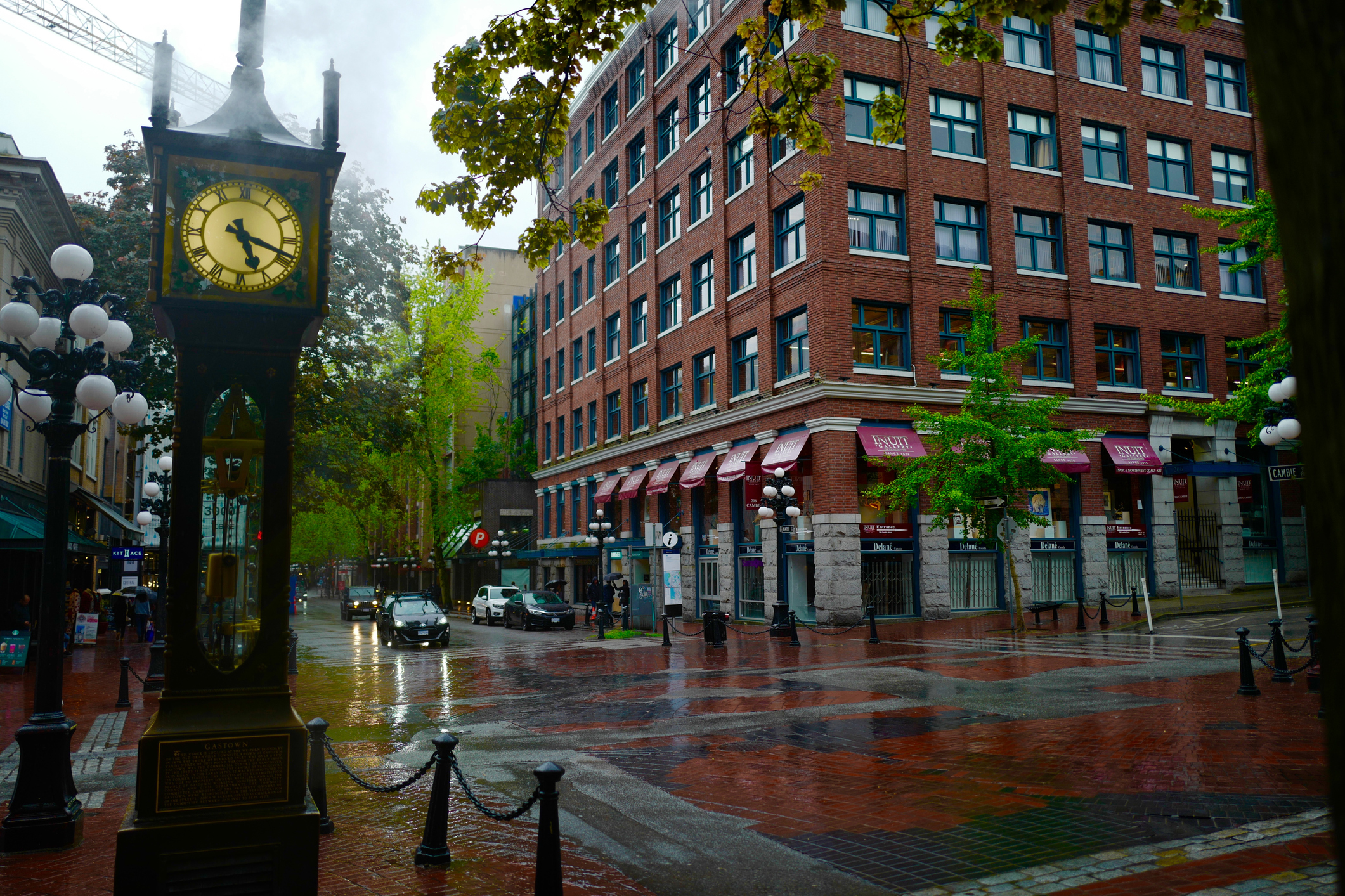


Vancouver has a mild coastal climate, especially when compared to much of Canada. Winters are cool and wet rather than extremely cold, while summers are warm and generally pleasant.
Rain is most common from late autumn through early spring, and cloudy days are not unusual. Summer, particularly from June to September, is the most popular time to visit due to lower rainfall and longer daylight hours.
Packing layers and rain protection is advisable year-round.
Map of Location
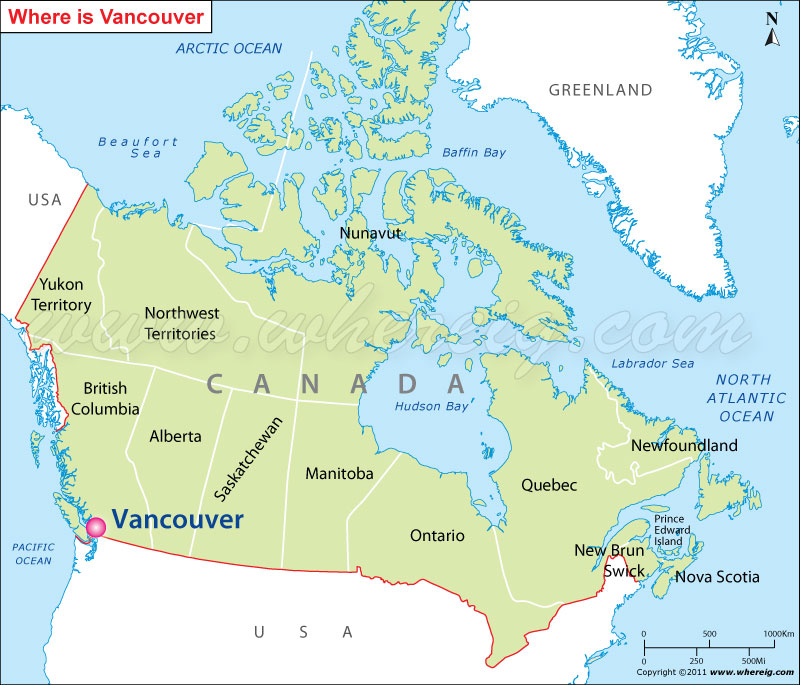

Vancouver is located in southwestern British Columbia, bordered by the Pacific Ocean and the Coast Mountains. Its position makes it an ideal base for exploring nearby destinations such as Whistler, Vancouver Island, and the Sea-to-Sky corridor.