 Skip to content

OneLife · Itineraries · Updated 2026 · 12 min read
Tokyo moves fast, but it rewards those who slow down inside it. The city holds ancient temples and glass towers on the same street. It can feel overwhelming at first, then quietly familiar by the end. This 3 days in Tokyo itinerary is built for first-time visitors who want the icons without the burnout. Three days is short for a city this size. Spent well, it is enough to feel its pulse.
The plan follows the city’s own contrasts. One day belongs to old Tokyo, the temples and lantern-lit lanes of the east. One day moves west, from a forest shrine to the roar of the world’s busiest crossing. The last day is for gardens, culture, and the long view over the skyline. Tradition, energy, and calm, each in turn.
You will walk a lot, and that is the point. Tokyo reveals itself between the big sights, in the backstreets and the small counters. Leave gaps in the plan. A quiet coffee, an unplanned turn, a bowl of ramen at a counter for one. That is where the city stops being a checklist and starts to feel like a memory.
Read Next
The Best Temples and Shrines in Tokyo
Nozawa Onsen Travel Guide: Extend Your Japan Trip
Before You Go: What to Know
Most visitors arrive at one of two airports. Haneda sits closest to the centre, around thirty minutes by train. Narita is further out, closer to an hour by the Skyliner or the Narita Express. Both are well signed in English, so the journey in is easier than it looks.
Getting around Tokyo is all about the trains. The metro and the JR Yamanote line reach almost everything in this guide. Pick up a Suica or Pasmo card on arrival and tap in and out as you go. It saves fumbling with tickets and works on nearly every line. For route planning, the official Go Tokyo travel site and a maps app will carry you through the system.
For where to stay, base yourself near a major station. Shinjuku and Shibuya put you in the thick of it, close to transport and nightlife. Asakusa is quieter and more traditional, often kinder on the budget. Compare current rates and recent reviews on Booking.com before you decide.
One key note: Carry some cash. Tokyo is modern, yet many small restaurants, shrines, and older shops still prefer yen over cards. An IC card covers transport, but a little cash smooths the rest.
Day 1: Old Tokyo, Senso-ji, and the Skytree
Morning
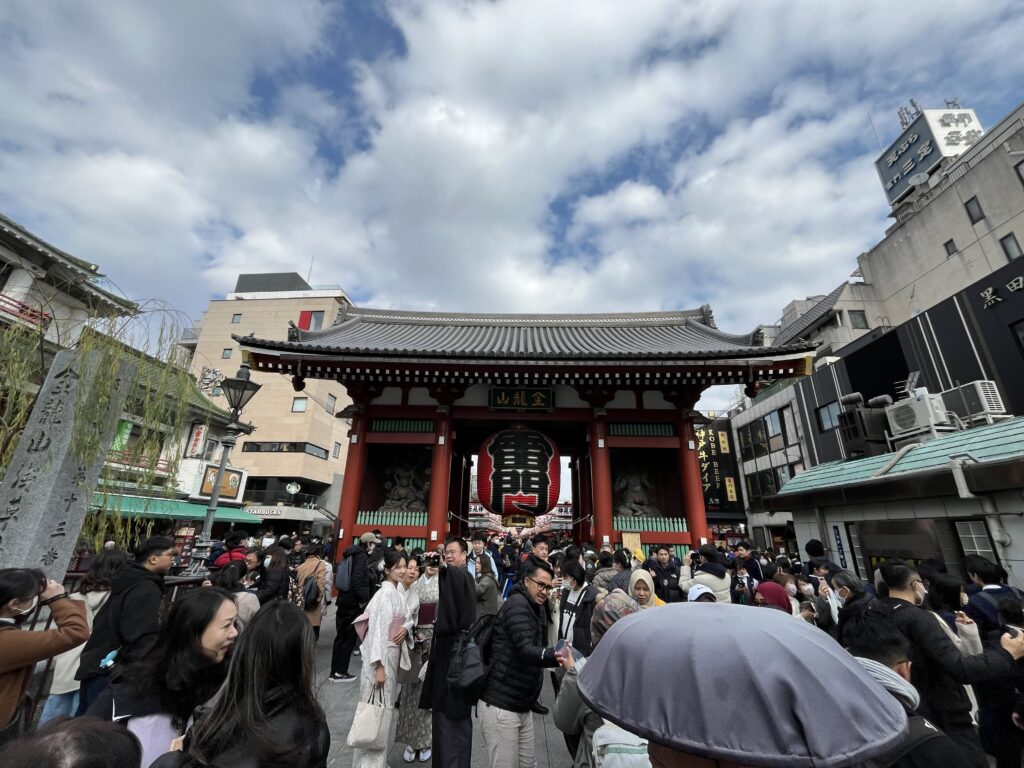
Begin in Asakusa, the heart of old Tokyo. Senso-ji is the city’s oldest temple, and its great red gate sets the tone at once. Walk through and the crowds fall into a rhythm. Come early if you can, before the tour groups arrive, when the light is soft and the courtyard still.
The approach to Senso-ji runs down Nakamise-dori, a long lane of small stalls. Snacks, fans, sweets, and trinkets line both sides. Take your time and sample as you go. Our guide to the best temples and shrines in Tokyo goes deeper on the history. It is worth a read before your visit.
Afternoon
A short walk or one train stop away rises the Tokyo Skytree. It is one of the tallest towers in the world, and the view from the top is vast. On a clear day you can trace the whole city, and Mount Fuji sometimes shows on the horizon. Book a timed ticket to skip the longest queues.
At the base sits Solamachi, a large complex of shops and cafes. It is a fine place to rest your feet and eat. Guided tours that pair Asakusa and the Skytree are easy to arrange. You can compare options through Viator’s Tokyo experiences.
Evening
As the light drops, walk along the Sumida River. The Skytree glows behind you and the water carries the reflections. It is a calm way to end a full first day. Cross back toward Asakusa for dinner when you are ready.
For the evening meal, find a small izakaya in the backstreets. These local pubs serve skewers, small plates, and cold beer. Point at what looks good if the menu defeats you. Rest well, since tomorrow moves to the other side of the city.
Day 2: Meiji Shrine, Harajuku, and Shibuya
Morning
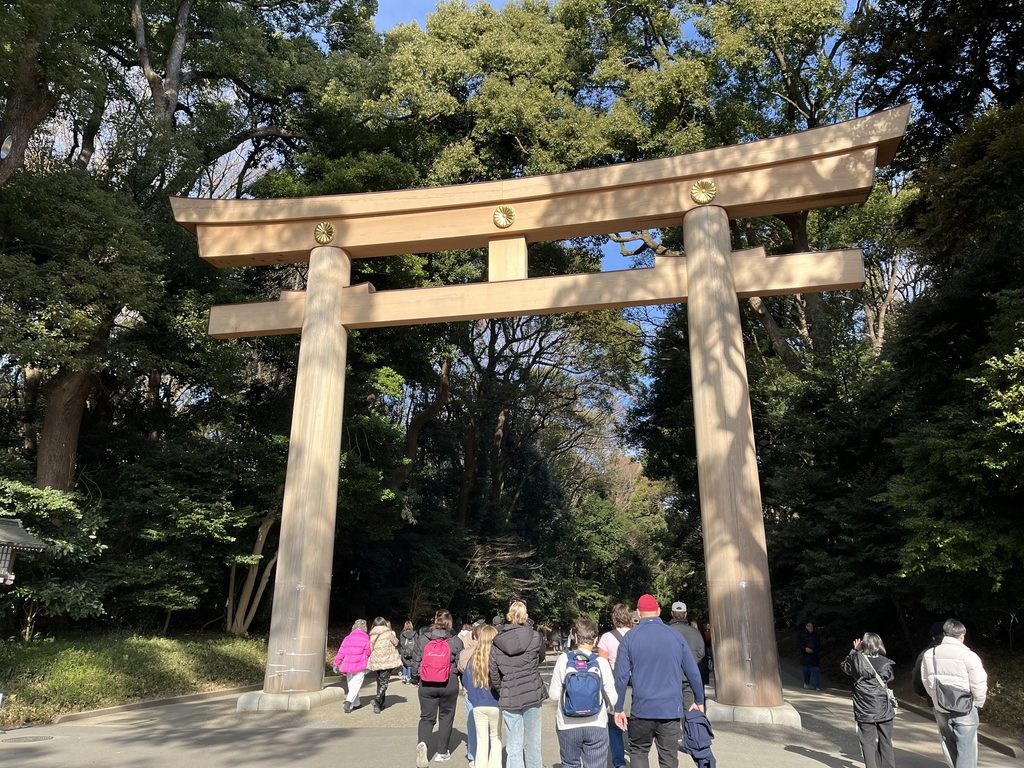
Start the second day in green. Meiji Shrine sits inside a forest in the middle of the city. A wide gravel path leads you in under tall trees, and the noise of Tokyo fades with each step. The shrine honours Emperor Meiji, and the calm here is real. It is one of the most peaceful spots in the city.
Take the walk slowly and let the quiet settle. You may see a wedding procession or a simple prayer at the main hall. When you are ready, the exit brings you back to the noise in seconds. That sudden shift is Tokyo in a single moment.
Afternoon
Just beyond the shrine lies Harajuku, and it could not be more different. Takeshita Street is the loud, bright heart of youth fashion. Crepes, colour, and crowds fill the narrow lane. Walk it once for the spectacle, then slip into the quieter side streets.
Nearby, Omotesando offers a calmer, more refined version of the same area. Think tree-lined avenues and designer stores. It is a good place to slow down after the rush of Takeshita Street. Grab a coffee and watch the city go by.
Evening
End the day at Shibuya. The famous crossing is a sight in itself, a tide of people moving in every direction at once. Watch it from street level, then from above for the full effect. The view from a nearby cafe or the Shibuya Sky deck is worth the climb.
Shibuya after dark is pure energy. Neon signs, tiny bars, and endless places to eat fill the blocks around the station. Find a spot that draws you in and settle for the night. This is the Tokyo most people picture before they arrive.
Day 3: Gardens, Culture, and City Lights
Morning
Give the last morning to a garden. Shinjuku Gyoen is one of the finest in the city, wide and beautifully kept. Paths wind past ponds, lawns, and seasonal blooms. In spring the cherry blossom here is a highlight of any 3 days in Tokyo itinerary. Bring a coffee and walk without a plan.
If you prefer history, the Imperial Palace East Gardens are a strong alternative. They sit on the grounds of the old Edo Castle. Both options offer a slow, green start before a busier afternoon. Choose the one closest to your base.
Afternoon
The afternoon is yours to shape by taste. Art lovers should book teamLab, a digital art museum unlike anything else. Shoppers can lose hours in Ginza’s elegant streets. Fans of games and anime will find their world in Akihabara.
Whichever you choose, book the popular ones ahead. teamLab in particular sells out fast in peak season. You can reserve tickets and experiences through Viator to lock in your slot. That saves standing in line on your final day.
Evening and Departure
For the final evening, chase the lights one last time. Shinjuku’s Omoide Yokocho is a warren of tiny yakitori bars under the tracks. It is smoky, tight, and full of character. A meal here is a fitting farewell to the city.
When it is time to leave, allow more time than you expect. Tokyo’s stations are large, and the airport trains run on a schedule. Check your route the night before. Three days here should end on a warm bowl or a bright skyline, not a sprint for the platform.
Where to Eat in Tokyo
Tokyo may be the best food city on earth, and eating well is easy. For sushi, the Tsukiji Outer Market serves it fresh from early morning. Arrive hungry and graze the stalls. It is a fine way to start any day in the city.
Ramen is a must, and chains like Ichiran and Ippudo make a reliable bowl. For something more local, follow the queues to a small counter shop. Conveyor-belt sushi spots are cheap, fast, and fun for a casual lunch. Point, tap, and eat.
In the evening, the alleys come alive. Omoide Yokocho in Shinjuku is all smoke and skewers. A department store food hall, or depachika, is another gem for a quick, high-quality feast. Whatever you choose, trust the small places with short menus. They tend to do one thing very well.
Practical Tips for Your 3 Days in Tokyo Itinerary
Get an IC card first thing. A Suica or Pasmo turns the train system from daunting to simple. Tap in, tap out, and top up at any station. It is the single best move you can make on arrival.
Wear comfortable shoes. You will walk far more than you plan to, often over ten kilometres a day. Tokyo is a city best seen on foot between stations. Good shoes save the trip.
Learn a few points of etiquette. Keep your voice low on trains, and never eat while walking. Queue neatly and follow the flow of the crowd. Small courtesies go a long way here.
Sort travel cover before you fly. Even a city trip carries risk, from delayed flights to lost bags or a sudden clinic visit. A policy takes the worry out of it, so World Nomads is worth a look before you leave.
Pack smart for a walking city. A portable charger, a compact daypack, and a universal adapter cover the basics. You can find dependable, affordable options in this travel essentials roundup on Amazon.
Finally, do not try to see it all. Tokyo is endless, and chasing every sight will wear you down. Pick a few things a day and go deep. The city rewards a slow pace far more than a rushed one.
Keep Exploring
Tokyo’s Temples and Shrines: A Closer Look
Nozawa Onsen: A Mountain Escape from the City
Frequently Asked Questions
Is 3 days enough time in Tokyo?
Yes, three days is enough to see the highlights without rushing. This 3 days in Tokyo itinerary covers old temples, the big shrines, and the neon districts. A longer stay lets you add day trips like Mount Fuji or Nikko. For a first visit, three days gives a strong first taste.
How do I get around Tokyo?
The train network is the answer. The metro and the JR Yamanote line reach nearly everything. Use a Suica or Pasmo IC card to tap on and off with ease. A maps app handles the route planning for you.
What is the best area to stay in Tokyo?
It depends on your style. Shinjuku and Shibuya are central and lively, close to transport and nightlife. Asakusa is quieter and more traditional, often better value. Any of them works well for a short first visit.
Do I need a JR Pass for 3 days in Tokyo?
Probably not for the city alone. A JR Pass only pays off with long-distance bullet train travel. For three days within Tokyo, an IC card is cheaper and simpler. Save the pass for a wider trip across Japan.
Final Thoughts
Tokyo is a city of contrasts, and that is its gift. A silent shrine sits minutes from the loudest crossing on earth. Ancient and modern share the same block. Three days lets you feel both sides without choosing between them.
This route is a frame, not a rulebook. Follow the rhythm, leave room to wander, and let the small moments find you. The temples, the neon, and the quiet gardens will stay with you long after the flight home. That is the real reward of a few good days in Tokyo.
This post contains affiliate links. If you book or buy through them, OneLife may earn a small commission at no extra cost to you. We only recommend places, tools, and experiences we would use ourselves.