 Skip to content
Experience Guides · New Zealand · Updated 2026 · 9 min read
Mount Maunganui is one of the best places to learn to surf in New Zealand. The water is clear, the beach breaks are forgiving, and the waves work for much of the year. The best surf spots in Mount Maunganui run from gentle beginner sand to a boat-access barrel that only experienced surfers should chase. Whatever your level, there is a wave here for you.
This is a beach-break town at heart. The Mount is not Raglan, and it does not pretend to be. What it offers instead is consistent, user-friendly surf close to the sand, plus one serious wave for those who go looking.
This guide covers the spots worth paddling out at, what suits which level, and how to surf them well. A note on conditions and safety runs through it. Here is where to go.
Read Next
3 Days in Rotorua: The Perfect Itinerary
The Best Surf Spots in Mount Maunganui
The best surf spots in Mount Maunganui line up along one long stretch of coast, plus the barrier island across the harbour. Most are beach breaks suited to beginners and intermediates. One is a boat-access wave for experienced surfers only. Here is where to paddle out.
Mount Maunganui Main Beach
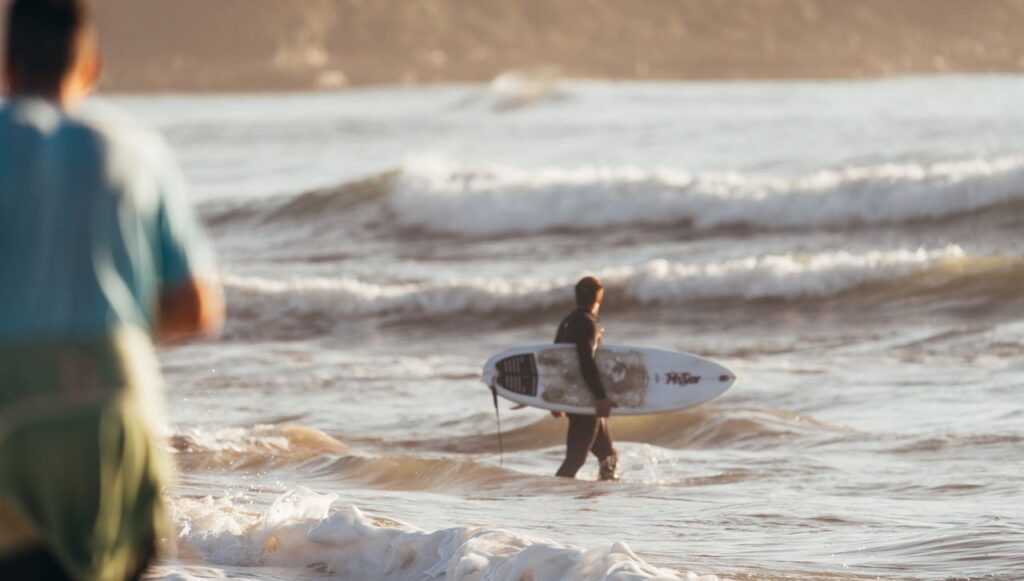
Main Beach is the epicentre of surfing in the Mount. It is a reasonably exposed beach break that works for much of the year, with both left and right handers. The far north and the middle of the beach serve up fun, rolling waves, best at low to mid tide.
It is also the most beginner-friendly, which is why the surf schools base themselves here. The beach break is the one local spot protected in south-easterly winds, so it often has a rideable wave when others are blown out. When it is working, expect a crowd.
One note. The far northern end of the beach, at the base of Mauao, sits within the current landslip closure zone, so surf the open central stretches and follow local signage. Check Bay of Plenty NZ for the latest.
Level: beginner to intermediate · Best: low to mid tide, SSW offshore wind.
The Blowhole (Moturiki Island)
The biggest draw on the main beach is the Blowhole, at the southern end by Moturiki Island. This is a sand-bottom right-hand point break that peels off the island. On its day it is the best wave in town, longer and cleaner than the open beach.
Because it is the standout, it draws the better local surfers and gets competitive when it is on. Watch it for a while before paddling out, and know the pecking order. When it lines up, though, it is a genuinely good wave.
Level: intermediate to advanced · Best: with a solid swell wrapping the island.
Tay Street Beach
Toward the southern end of the strip, Tay Street is a long beachfront that suits all levels. The waves lump up nicely, making it a good option for beginners and improvers alike. It is a little less frantic than the central beach.
Tay Street is also home to a curiosity: a world-first, delta-wing-shaped artificial surfing reef, built about 250 metres offshore in the mid-2000s to improve the break. Its results have been mixed over the years, and it is not the wave-machine it was hoped to be. The beach break itself remains the reason to surf here.
Level: all levels · Best: a good option when the main beach is crowded.
Omanu Beach
South of the busy centre, Omanu is the same long beach break, but quieter. The crowds thin out here, and you can often find a peak to yourself. It suits surfers who want the same forgiving waves without the pack.
It is backed by houses rather than cafes, which keeps it low-key. A good choice for a relaxed session away from the main beach. Locals favour it for exactly that reason.
Level: beginner to intermediate · Best: a quieter alternative to Main Beach.
Papamoa Beach
Further south again, Papamoa runs for kilometres of open beach with waves along its length. It is the least crowded of the mainland spots, with room to spread out and find your own peak. The surf is fun rather than world-class.
This is the spot for space and a mellow session. With so much beach, you rarely have to share a wave. Good for beginners and anyone after a quiet paddle.
Level: beginner to intermediate · Best: for space and empty peaks.
Matakana Island (Puni’s Farm)
The quality wave in the area is across the harbour on Matakana Island, near a spot known as Puni’s Farm. It is a punchy sand-bottom beach break with fast, tubey peaks, and on the right swell it is world-class. This is an experienced surfer’s wave.
Access is the catch, and it matters. You cannot paddle the channel between the Mount and Matakana, as it is dangerous and not permitted. You reach it by boat, by the vehicle ferry, or on a guided surf trip. Some local schools run jet-ski transfers across.
Level: intermediate to expert · Access: by boat or ferry only, never paddle the channel.
Surf Schools and Board Hire
The Mount is a great place to learn, and several good schools operate here. Mount Surf School and Hibiscus Surf School both run beginner lessons on Main Beach with all gear provided. South Pacific Surf offers lessons and even jet-ski surf trips across to Matakana Island.
For surfers who already have the basics, Average Joe’s on Marine Parade focuses on progression and technique. Most schools also hire out boards and wetsuits by the hour or day. If the surf is flat, several run paddleboard lessons in the calm water of Pilot Bay instead.
Tips for Surfing in Mount Maunganui
Know the best conditions. The Mount works best on a north-northeast swell with an offshore wind from the south-southwest. Winter often brings the cleanest waves, and January is frequently the pick of the year. Check a forecast like Surf-Forecast before you head down.
Respect the crowd and the locals. When the Blowhole or the main beach is firing, it gets busy, and there is an order to it. Watch first, wait your turn, and be friendly. A little respect goes a long way in the water here.
Never paddle the Matakana channel. The stretch of water between the Mount and Matakana Island has strong currents and boat traffic, and paddling it is both dangerous and not allowed. Always take a boat or the ferry across.
Gear up for the water temperature. The sea here is swimmable but cool, so a wetsuit makes a long session comfortable. A decent wetsuit and some surf wax are worth packing if you surf often.
Cover yourself for the surf. Surfing carries real risk, from rips to reefs to boards. If your trip is built around it, travel insurance matters. World Nomads includes surfing in its cover as standard.
How to Get to Mount Maunganui
Mount Maunganui sits in the Bay of Plenty, on the coast beside Tauranga. It is about three hours from Auckland by car and an hour from Rotorua. Tauranga Airport, just across the harbour, has direct flights from the main centres.
The main surf beaches run along the town spit and are walkable or a short drive apart. You will want a car for Papamoa, and a boat or the ferry for Matakana Island. Parking near Main Beach fills fast in summer.
Staying near the beach puts the waves on your doorstep. You can compare places to stay in Mount Maunganui here and wake up close to the surf.
Keep Exploring
Frequently Asked Questions
What are the best surf spots in Mount Maunganui?
Main Beach is the epicentre and the best all-rounder, especially for beginners. The Blowhole by Moturiki Island is the standout wave when it is working. For experienced surfers, Matakana Island across the harbour holds the quality barrels, though it needs a boat to reach.
Is Mount Maunganui good for beginner surfers?
Yes, it is one of the best beginner surf spots in the country. Main Beach has forgiving, user-friendly beach breaks and clear water, and several surf schools run lessons there. The waves are gentler and more consistent than the more advanced breaks like Raglan.
When is the best time to surf in Mount Maunganui?
The Mount works best on a north-northeast swell with a south-southwest offshore wind. Winter often brings the cleanest conditions, and January is frequently the standout month. That said, the main beach picks up rideable waves for much of the year.
Can you surf Matakana Island from Mount Maunganui?
Yes, but only by boat or the vehicle ferry. You must never paddle the channel between the Mount and Matakana, as it has strong currents and boat traffic and is not permitted. Some surf schools run guided jet-ski trips across for those wanting to surf it safely.
Where can you hire a surfboard in Mount Maunganui?
Most of the local surf schools, including Mount Surf School and Hibiscus Surf School, hire out boards and wetsuits by the hour or day. They are based around Main Beach and Marine Parade. Lessons with gear included are also easy to book.
Final Thoughts
The Mount will not give you the heaviest waves in New Zealand, and that is rather the point. The best surf spots in Mount Maunganui are consistent, clear and welcoming, ideal for learning or for an easy session in beautiful water. One serious wave waits across the harbour for those who earn it.
Check the swell, respect the crowd, and pick the spot that suits your level. Take a lesson if you are starting out, and never chase the channel to Matakana.
Paddle out, and let the bay do the rest.
Some of the links in this guide are affiliate links. If you book or buy through them, OneLife may earn a small commission at no extra cost to you. We only recommend places and services we would genuinely use ourselves. Surf within your ability and always check local conditions.