 Skip to content

Bear Safety Canada – Everything YOU need to know

Canada is home to some of the most breathtaking wilderness on earth — towering mountains, endless forests, glacial lakes, and remote backcountry trails that feel untouched by time. It’s also home to bears. For many travellers, the thought of encountering one can spark equal parts excitement and fear.
The reality is this: millions of people hike, camp, and travel through bear country in Canada every year without incident. Bear encounters are rare, and dangerous encounters are even rarer. What matters most is understanding how bears behave, how to avoid surprising them, and how to respond calmly and correctly if you ever cross paths.
This guide covers everything YOU need to know about bear safety in Canada — whether you’re hiking near Whistler, camping in Banff, exploring the Rockies, or venturing deep into the backcountry.
Interested in visiting Canada? Head to our blog page to see loads of blog posts on some of Canada’s best destinations and more
Why Bear Safety Matters in Canada
Canada’s wilderness is vast and largely intact. Unlike many parts of the world, wildlife here still lives where it always has. Bears don’t wander into parks and trails — we wander into theirs.
Bear safety isn’t about fear. It’s about:
Respecting wildlife
Protecting yourself and others
Keeping bears wild (and alive)
Most negative bear encounters happen because of human behaviour, not aggressive animals. Food left out, surprise encounters, or people not knowing how to respond are the real risks.
Types of Bears You’ll Encounter in Canada
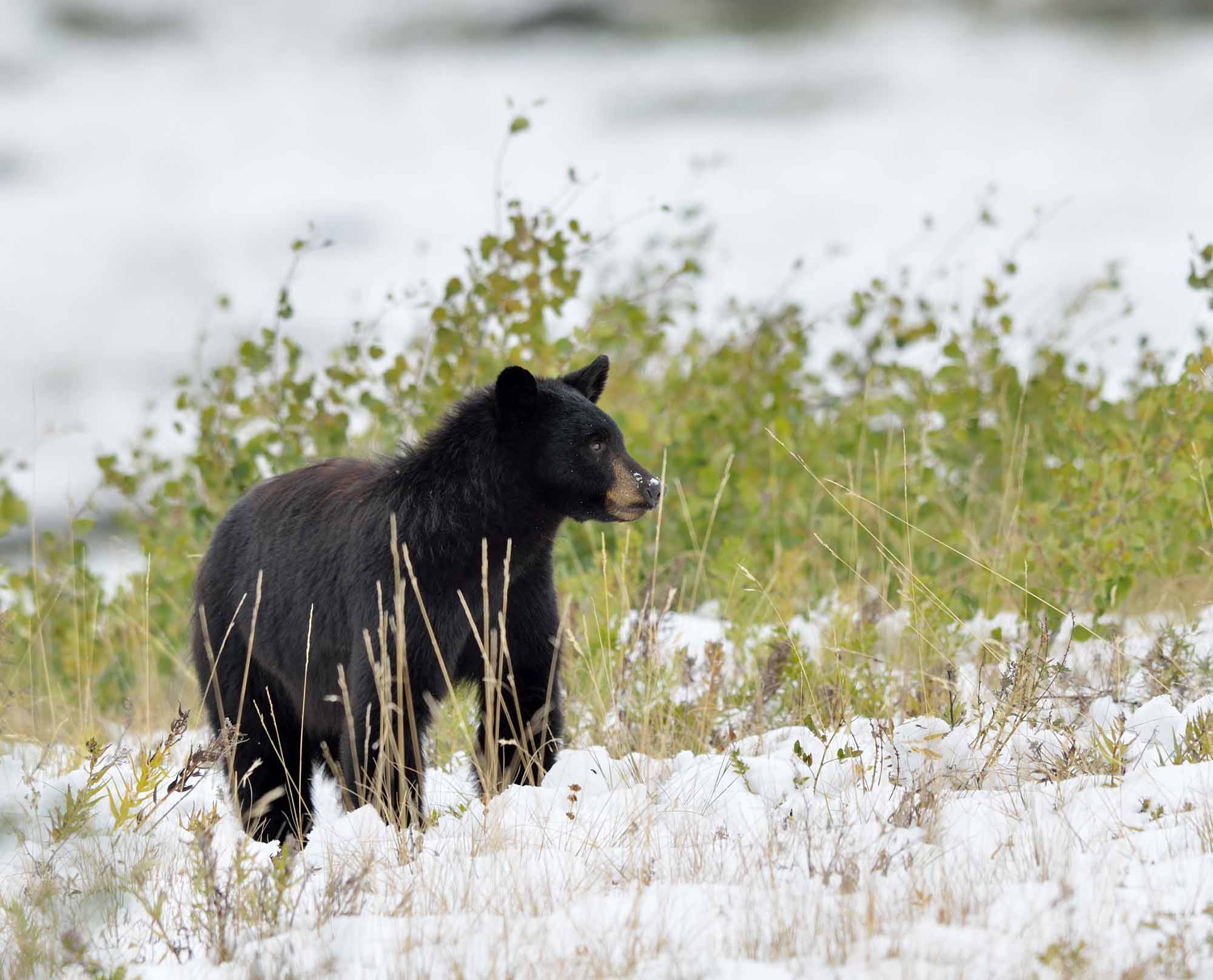
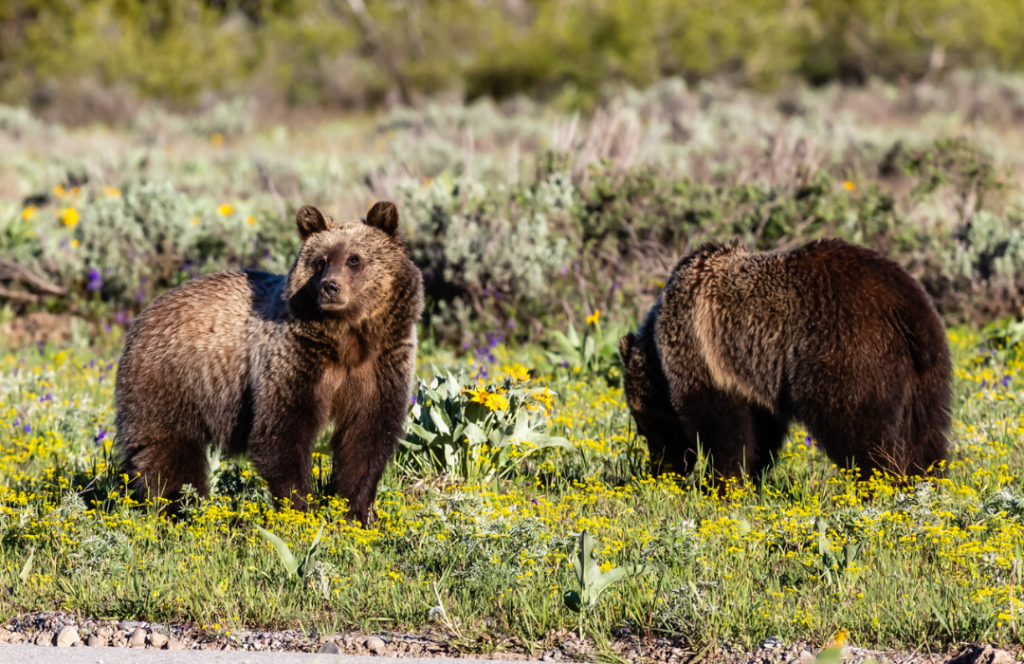

Canada is home to three species of bears, though two are the most relevant for hikers and travellers.
Black Bears
Black bears are the most common bear in Canada and are found across most provinces.
Key traits:
- Can be black, brown, cinnamon, or blonde
- Smaller than grizzlies (but still very powerful)
- Excellent climbers
- Usually shy and avoid humans
Despite their name, colour alone does not identify a black bear. Many brown-coloured bears are actually black bears.
Grizzly Bears (Brown Bears)
Grizzlies live primarily in western Canada, including British Columbia, Alberta, Yukon, and parts of the Rockies.
Key traits:
- Larger body and shoulder hump
- Shorter, rounded ears
- More defensive by nature
- Less likely to climb trees
Grizzlies are not inherently aggressive, but they are more likely to stand their ground if surprised or defending cubs or food.
Polar Bears (Rare for Travellers)
Polar bears live in Canada’s far north and are not a concern for typical hiking or travel destinations.
Where You’re Most Likely to Encounter Bears
Bear encounters are more likely:
- Near rivers and streams
- In berry-rich areas
- During dawn and dusk
- In spring (after hibernation) and fall (before winter)
Popular hiking areas like Whistler, Banff, Jasper, and Garibaldi Provincial Park are all active bear habitats — yet still extremely safe with proper awareness.
When Bears Are Most Active
Spring (April–June)
- Bears emerge hungry after hibernation
- Food is scarce early in spring
- Bears may be more visible at lower elevations
Summer (July–August)
- Abundant food sources
- Bears spread out
- Most stable season for hiking
Fall (September–October)
- Bears enter hyperphagia (intense feeding phase)
- Increased food-seeking behaviour
- Extra caution required
How to Avoid Bear Encounters
Avoidance is the most effective form of bear safety.
1. Make Noise
Surprising a bear is the most common cause of defensive reactions.
- Talk while hiking
- Call out “Hey bear!” in dense areas
- Make noise near blind corners or rivers
You don’t need to shout constantly — just enough to announce your presence.
2. Hike in Groups
Groups are:
- More visible
- Louder
- Less likely to be approached
Most bear encounters involve solo hikers.
3. Watch for Signs
Be alert for:
- Bear tracks
- Fresh scat
- Claw marks on trees
- Digging or overturned rocks
If signs are fresh, slow down, make noise, and consider turning back.
4. Control Smells
Bears have an extraordinary sense of smell.
- Store food properly
- Seal snacks
- Avoid strong-scented products
- Never leave food unattended
This applies even on short day hikes.
Bear Spray: What It Is and How to Use It
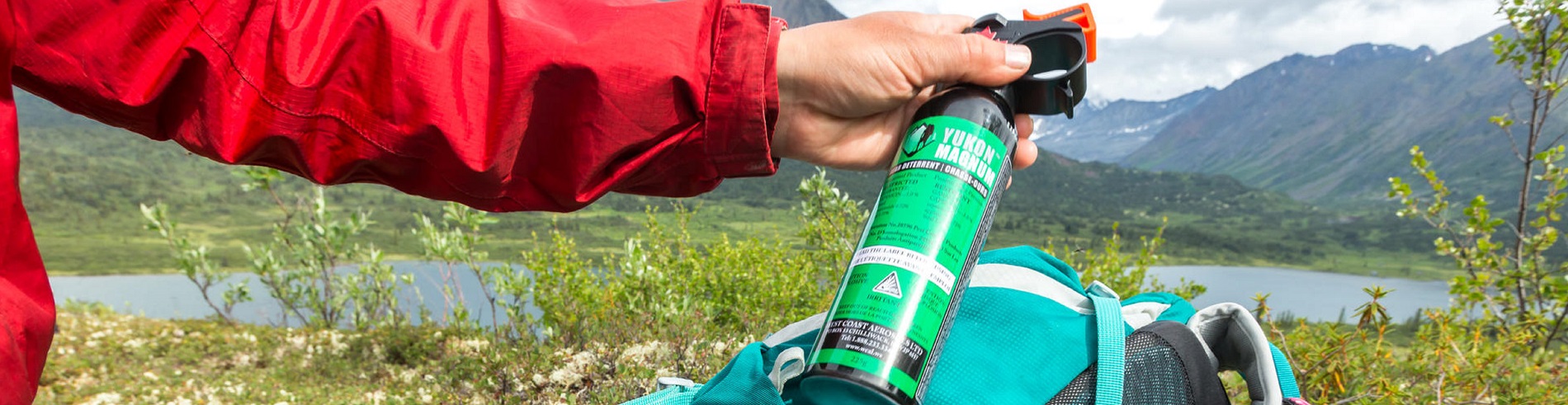

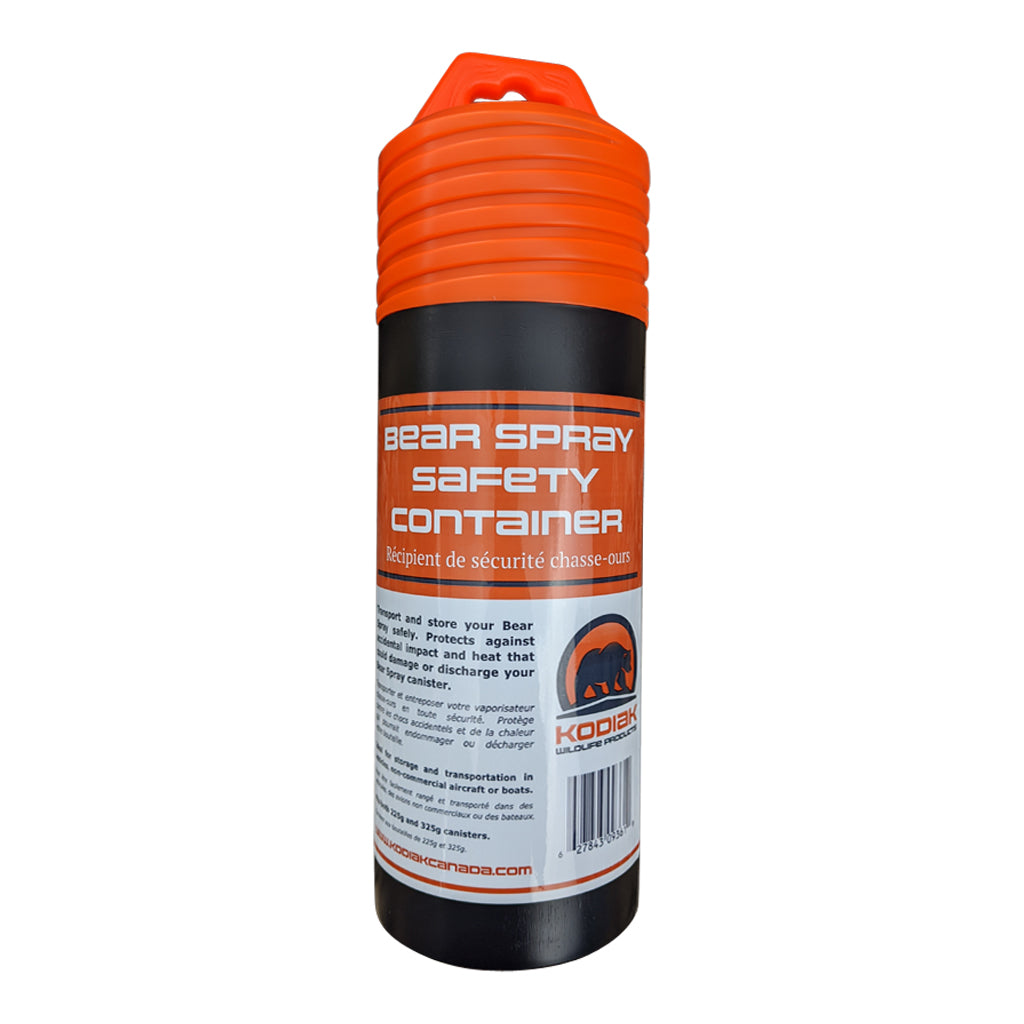
Bear spray is the most effective bear deterrent available.
What Is Bear Spray?
Bear spray is a high-powered capsaicin spray that creates a cloud between you and the bear, causing temporary irritation without permanent harm.
Studies show bear spray is effective in over 90% of encounters when used correctly.
How to Carry It
- Holstered on your chest or belt
- NOT inside your backpack
- Easily accessible within seconds
When to Use It
Only use bear spray if a bear:
- Approaches within close distance
- Shows aggressive or defensive behaviour
- Continues advancing despite attempts to deter
Aim slightly downward and create a cloud between you and the bear.
What to Do If You See a Bear
At a Distance
- Stop
- Stay calm
- Speak calmly
- Slowly back away
- Give the bear space
Never run.
If the Bear Notices You
- Stay upright
- Wave arms slowly
- Speak firmly but calmly
- Avoid direct eye contact
Most bears will leave once they identify you as human.
If the Bear Approaches
- Stand your ground
- Prepare bear spray
- Continue speaking
- Do NOT scream or panic
What to Do If a Bear Charges
Charges can be:
- Bluff charges (common)
- Defensive charges (grizzlies)
- Rare predatory charges (very uncommon)
Bluff Charges
- Bear stops short
- Huffs, swats ground
- Moves away
Hold your ground. Do not run.
If Contact Occurs
- Grizzly Bear: Play dead
- Lie face down
- Protect neck
- Remain still
- Black Bear: Fight back
- Use bear spray
- Use any object
- Target face and muzzle
These situations are extremely rare.
Camping in Bear Country


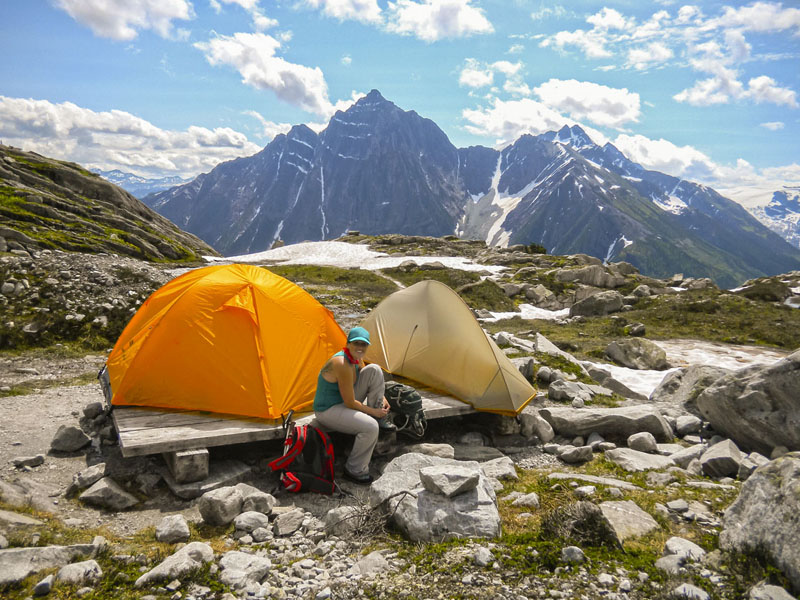
If you’re camping:
- Use bear-proof lockers if available
- Hang food properly if required
- Cook away from sleeping area
- Never store food in your tent
Clean camps are safe camps.
Common Bear Safety Myths
“That Bears Hunt Humans”
✔ Bears avoid humans whenever possible
❌ “Bear bells are enough”
✔ Bells alone are not reliable
❌ “Running is safer”
✔ Running triggers chase instincts
Why Bear Safety Protects Bears Too
Habituated bears often end up relocated or euthanised.
Proper bear safety:
- Prevents food conditioning
- Keeps bears wild
- Preserves ecosystems
Responsible travellers protect wildlife simply by being informed.
Final Thoughts
Bear safety in Canada isn’t about fear — it’s about awareness, respect, and preparation. When you understand how bears behave and how to respond, the wilderness becomes less intimidating and far more rewarding.
Canada’s wild spaces are special because they’re still wild. Learning to move through them responsibly allows us to experience their beauty while ensuring these landscapes — and the animals that live in them — remain protected for generations to come.