 Skip to content



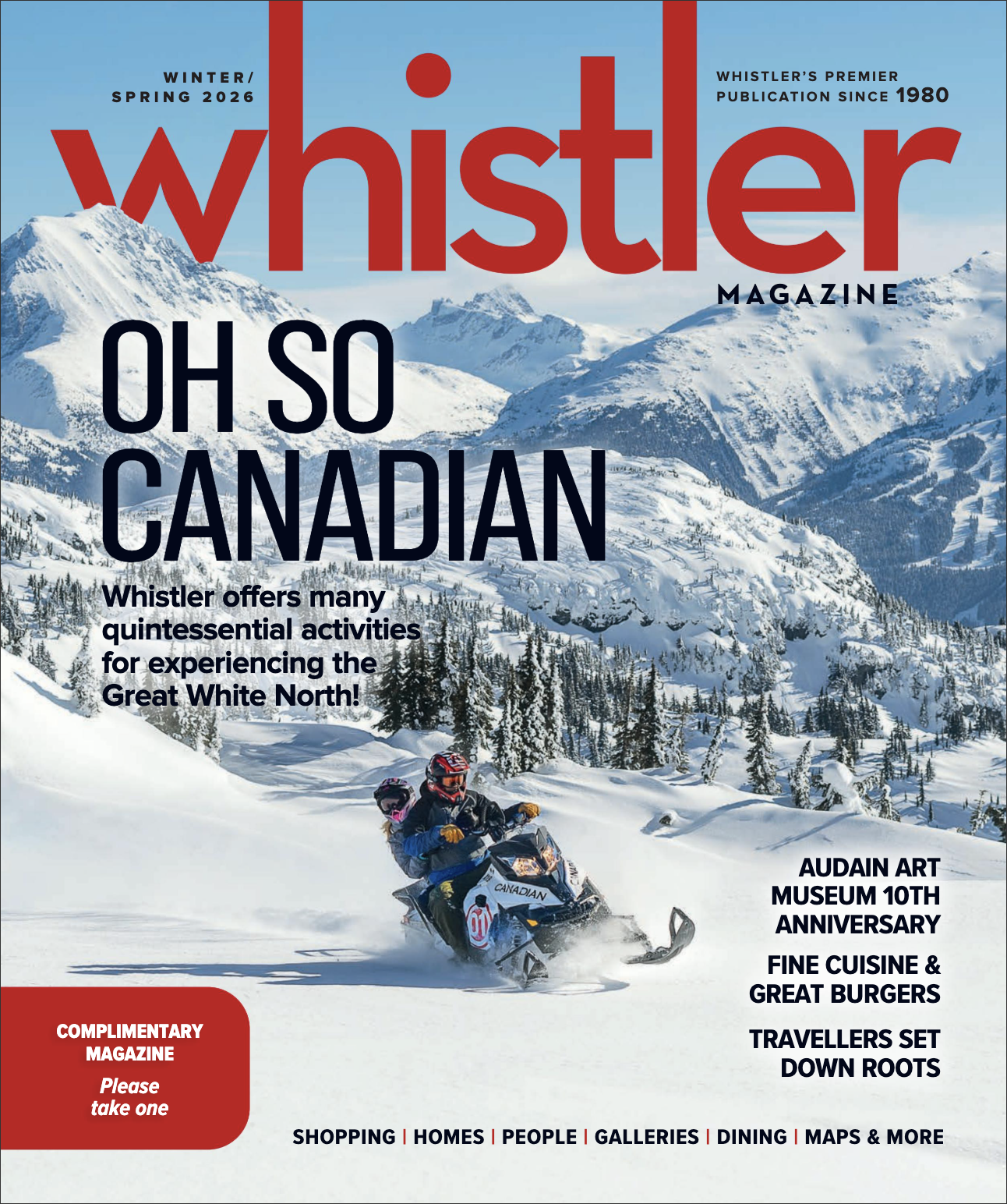
If you spend more than a few days in Whistler, there’s a good chance you’ll come across Pique Newsmagazine. You might notice it stacked near café entrances, tucked beside shop doors, or mentioned casually in conversation. At first glance, it can feel like just another free local paper. But Pique is much more than that.
Pique Newsmagazine is Whistler’s primary local publication. It plays a central role in how the community communicates, debates, celebrates, and holds itself accountable. For visitors, it offers insight into the town beyond the postcard version. For seasonal workers and long-term residents, it’s a weekly checkpoint on what’s actually happening—on the mountain, in council chambers, and across neighbourhoods.
This post breaks down what Pique Magazine is, why it matters, how it’s used, and why understanding it gives you a clearer picture of Whistler as a place—not just a destination.
A Brief Overview of Pique Newsmagazine
Pique Newsmagazine is a free weekly newspaper based in Whistler, British Columbia. It covers local news, politics, culture, arts, events, business, housing, and outdoor life. While it’s primarily associated with Whistler, its coverage often extends to neighbouring communities like Squamish and Pemberton.
What makes Pique different from generic travel publications is its local focus and editorial independence. It’s not a tourism brochure, and it doesn’t exist to sell Whistler as a product. Instead, it documents the realities of living and working in a mountain town—both the good and the complicated.
For anyone trying to understand Whistler beyond skiing and summer hikes, Pique is one of the most honest entry points.
Why Pique Matters in a Town Like Whistler
Whistler is a transient place by nature. Visitors come and go weekly. Seasonal workers arrive for months at a time. Even long-term residents often move in phases. In a town with that level of movement, local identity can be fragile.
Pique helps anchor the community.
It does this by:
- Reporting on local government decisions
- Covering housing issues that affect workers and residents
- Highlighting local artists, athletes, and organisers
- Publishing opinion pieces that reflect real community debate
When I first started paying attention to Pique, what stood out was how frequently it addressed topics visitors rarely think about—staff accommodation shortages, zoning decisions, environmental pressures, and the balance between tourism and liveability. Reading it made Whistler feel less like a resort and more like a living town with real challenges.
What Kind of Content Does Pique Publish?
Pique’s content is broad, but it’s organised in a way that reflects how people actually experience Whistler.
Local News & Politics
This is the backbone of the publication. Pique reports on Whistler council decisions, bylaw changes, development proposals, and public consultations. For anyone living in Whistler—or planning to—this section is essential reading.
These articles often shape conversations you’ll overhear in cafés or staff housing kitchens. If something significant is happening in town, chances are Pique has covered it.
Housing & Community Issues
Housing is one of Whistler’s most persistent challenges, and Pique doesn’t shy away from it. The magazine regularly publishes features and investigations into rental availability, affordability, and workforce accommodation.
For seasonal workers, this coverage can be especially relevant. It provides context for why housing feels competitive and what (if anything) is being done about it.
Arts, Culture & Events
Pique also functions as Whistler’s cultural diary. It highlights local art exhibitions, live music, film screenings, festivals, and community events. This section is particularly useful if you want to engage with Whistler beyond outdoor activities.
It’s often through Pique that you discover smaller, quieter events that never appear on tourist itineraries.
Outdoor & Lifestyle Coverage
Given Whistler’s location, it’s no surprise that outdoor life features heavily. But Pique approaches it from a local perspective—trail access issues, environmental concerns, and the impact of tourism on natural spaces.
Rather than promoting activities, these pieces tend to explore how people interact with the landscape and how it’s changing.
Who Reads Pique Magazine?
Pique’s readership is diverse, but it’s deeply rooted in the local community.
Typical readers include:
- Long-term Whistler residents
- Seasonal workers
- Business owners
- Local artists and athletes
- Engaged visitors staying longer than a weekend
If you’re only in Whistler for a day or two, you might skim it. If you’re there for weeks or months, you’ll likely start reading it cover to cover. Over time, it becomes a way of understanding how the town thinks.
Print vs Digital: How People Use Pique Today
Pique exists in both print and digital formats, and both are widely used.
The print edition is free and easy to find around Whistler Village. Many people still pick it up casually—over coffee or after work—because it’s part of the town’s rhythm.
The digital version allows for deeper dives, comment sections, and ongoing updates. For people who live in Whistler full-time, the website often becomes a regular check-in rather than a once-a-week read.
One thing that stands out is how often Pique articles are shared in community groups and conversations. It’s common for a Pique story to spark debate well beyond the page.
Why Visitors Should Pay Attention to Pique
If you’re visiting Whistler, reading Pique can change how you experience the place.
It adds context. Suddenly, construction zones make sense. You understand why certain trails are contentious. You see how tourism fits into a much larger picture.
When I revisited Whistler after spending more time with Pique, the town felt more layered. It wasn’t just lifts and lakes—it was a community navigating growth, pressure, and identity.
Even skimming a few articles can give you a more grounded, respectful understanding of where you are.
Pique as a Reflection of Whistler’s Identity
Every town has its unofficial record. In Whistler, Pique plays that role.
It documents:
- How the town responds to growth
- How residents push back or adapt
- How culture evolves alongside tourism
It’s not always comfortable reading. Some stories highlight tension, frustration, or fatigue. But that honesty is what gives Pique credibility.
For anyone thinking of moving to Whistler, understanding Pique is almost as important as understanding the mountains.
How Pique Fits Into Life in Whistler
Over time, Pique becomes background noise in the best way. You read it without thinking, reference it in conversation, and absorb its presence as part of daily life.
It doesn’t try to be flashy. It doesn’t need to be. Its value lies in consistency, depth, and relevance.
Whether you’re a visitor curious about local culture, a seasonal worker settling in, or someone building a longer life in Whistler, Pique offers perspective that no guidebook can.
Final Thoughts
Pique Newsmagazine isn’t just a newspaper—it’s Whistler talking to itself.
Understanding it helps you understand the town beyond the surface. And in a place as visually stunning and socially complex as Whistler, that perspective matters.
If you want to experience Whistler as more than a destination, start by paying attention to the stories it tells about itself.