 Skip to content


Quick Overview of Russell, Bay of Islands
Russell Bay of Islands rewards a slower kind of visit. This guide covers the town for people who want the practical details and the feeling of the place.
When I visited Russell, what stood out most was how effortless everything felt. There was no pressure to rush between attractions or fill every hour. The town almost encourages you to slow down, to sit by the waterfront a little longer, to walk without a strict destination, and to take in the details you would normally overlook.
This Russell travel guide is built to give you everything you actually need before visiting. Not just the highlights, but the practical insights, realistic expectations, and small details that make your trip smoother and more enjoyable.
Whether you’re visiting Russell as part of a wider Northland trip or specifically heading to the Bay of Islands, this is a place that delivers something different. It’s not about doing more, it’s about experiencing more with less.
Best Things to do in the Bay of Islands
Before you go
New Zealand Essentials
The small things that shape your first few days. Entry and arrival, real costs, getting around, staying connected, and what is worth packing, gathered into one clear read. Written from the road, not a brochure.Read New Zealand Essentials
For more on the Bay of Islands here are some of our blog posts –
Best Beaches To Visit in Bay of Islands, New Zealand
Best Things to do in the Bay of Islands, New Zealand
Where to Stay in Bay of Islands on a Budget
Best Islands to Visit in Bay of Islands, New Zealand
3 Day Itinerary for Bay of Islands, New Zealand
Where to Stay in Russel, Bay of Islands
Best Hikes in Bay of Islands, New Zealand
Quick Overview of Russell
Russell is a small coastal town located in the Bay of Islands, in the far north of New Zealand’s North Island. It sits directly across the water from Paihia, which is the main tourism hub of the region, but the difference in atmosphere between the two is immediate.
Historically, Russell holds a significant place in New Zealand’s story as the country’s first European settlement. It once carried a reputation as the “hellhole of the Pacific”. But today it has transformed into one of the most peaceful and charming destinations in the region.
The town is best described as relaxed, coastal, and historically rich. It attracts travellers who are looking for something quieter and more reflective rather than busy or heavily commercialised.
Russell is particularly well suited to couples looking for a calm getaway, solo travellers wanting a slower and more thoughtful experience, and anyone exploring Northland who wants to break up their trip with a scenic coastal stop.
In terms of timing, one to two nights is ideal for most visitors. It’s enough to explore the key spots, enjoy the atmosphere, and not feel rushed. However, it can also be done as a day trip from Paihia if you’re short on time.
Costs in Russell tend to lean slightly higher than average, particularly for accommodation, due to its location and boutique-style offerings. Food is moderately priced, while many of the best experiences such as walking tracks, beaches, and viewpoints are completely free.
Why Visit Russell?
Russell stands out because it doesn’t try to be everything. It focuses on doing a few things exceptionally well, and that’s where its appeal lies.
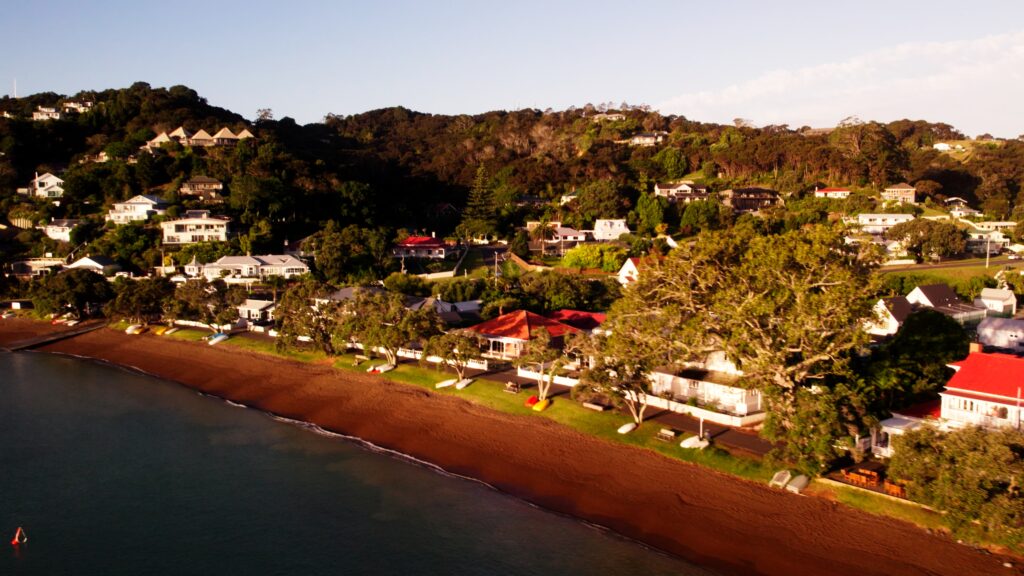
The waterfront setting is one of the biggest drawcards. Looking out across the Bay of Islands, with boats moving slowly through the water and small islands scattered across the horizon, creates a sense of space and calm that’s hard to replicate elsewhere.
There is also a depth of history here that adds another layer to the experience. Walking through Russell feels different when you realise how much has happened in this small area.
What makes Russell different from other places I’ve visited is how understated it is. There are no oversized attractions or overly curated experiences. Instead, everything feels natural and unforced. You’re not being pulled in ten different directions you’re simply given space to enjoy where you are.
Best Things to Do in Russell
One of the best things about visiting Russell is that the experiences feel simple, but meaningful. Walking through the town, visiting historic landmarks like Christ Church, and taking in the waterfront views all contribute to a well-rounded visit without feeling overwhelming.
A walk up to Flagstaff Hill is one of the most worthwhile things you can do. It’s not a difficult walk, but the view from the top gives you a full perspective of the Bay of Islands and helps you understand the layout of the area.
Long Beach offers a relaxed coastal experience just a short distance from town. It’s ideal for swimming, especially during the warmer months, and has a quieter feel compared to beaches in more populated areas.
Exploring the waterfront and Russell Wharf is another simple but rewarding experience. Watching boats come and go, especially in the early morning or late afternoon, adds to the overall atmosphere of the town.
Boat tours and kayaking opportunities give you the chance to explore further into the Bay of Islands, accessing smaller islands and more secluded spots that you wouldn’t otherwise reach.
If I had to recommend just one experience, it would be heading up to Flagstaff Hill around sunset. The light, the view, and the overall stillness of the area come together in a way that perfectly captures what Russell is about.
Where to Stay in Russell
Accommodation in Russell is more boutique and experience-driven rather than large-scale or budget-heavy. Most places are either positioned along the waterfront or slightly elevated, offering views back across the bay.
Staying near the waterfront gives you immediate access to cafes, restaurants, and the ferry terminal, which makes getting around easier, especially if you’re not travelling with a car. On the other hand, hillside accommodation tends to offer more privacy and some of the best views in the area.
If you’re looking to browse options, you can explore availability and pricing here:
https://www.booking.com/city/nz/russell.html
And for a more local perspective with curated stays:
https://www.northlandnz.com/visit/places-to-stay/bay-of-islands/russell/
Properties like The Duke of Marlborough offer a historic waterfront stay, while places like Arcadia Lodge provide a quieter, elevated experience with expansive views. Seaport Village Apartments are another solid option if you prefer something more self-contained.
For a deeper breakdown of areas and accommodation types, see our full guide:
Where to Stay in Russell (Best Areas & Hotels)
Booking Your Russell Trip
Boat trips and island cruises are the heart of a Bay of Islands visit. You can browse Bay of Islands cruises and tours on Viator to line up a day on the water. Accommodation in Russell books out fast in summer, so compare current rates through Russell accommodation deals early. For the trip itself, World Nomads covers most travellers through New Zealand.
Best Time to Visit Russell
The best time to visit Russell largely depends on the type of experience you’re looking for, but overall, the period between February and April offers one of the best balances.
Summer, from December through February, brings the warmest temperatures and the most activity. This is when the Bay of Islands is at its most vibrant, with ideal conditions for swimming, boating, and outdoor dining. However, it also comes with higher prices and increased crowds, particularly during holiday periods.
Autumn, especially February to April, is often considered the sweet spot. The weather remains warm, the water is still comfortable for swimming, and the crowds begin to ease. This creates a more relaxed experience without sacrificing conditions.
Winter in Russell is noticeably quieter. While temperatures drop, the region rarely experiences extreme cold, and the reduced number of visitors gives the town an even more peaceful feel. This can be a great time if you’re specifically looking to disconnect and avoid crowds.
Spring gradually brings the area back to life, with improving weather and fewer tourists compared to peak summer. It’s a good middle ground for those wanting decent conditions without the peak-season intensity.
How to Get to Russell
Getting to Russell is relatively straightforward, but it does require a small decision depending on how you’re travelling.
From Auckland, the drive takes around three and a half to four hours, depending on traffic and stops along the way. If you prefer to fly, you can take a domestic flight to Kerikeri and then drive the remaining distance.
From Paihia, the most common and easiest option is the passenger ferry, which runs regularly and only takes a short amount of time. There is also a vehicle ferry if you’re travelling with a car, although this takes longer and involves a different route.
For most travellers, the ferry from Paihia is the best option as it is both efficient and adds a scenic element to the journey.
Getting Around Russell
Russell is small enough that most of the main areas can be explored on foot. If you’re staying near the waterfront, you’ll likely be within walking distance of cafes, restaurants, and key attractions.
Having a car becomes useful if you plan to explore further beyond the town itself, including nearby beaches or more remote areas of the Bay of Islands.
Public transport options are limited, so it’s best to plan around walking, ferry access, or having your own vehicle if you want flexibility.
Food, Cafes & Local Spots
Food in Russell leans towards quality over quantity. There aren’t endless options, but the places that are there tend to be well-established and consistently good.
The Duke of Marlborough is one of the most well-known spots, combining history with waterfront dining. Butterfish offers a more modern dining experience, while Hone’s Garden provides a relaxed, local feel that suits casual meals.
A place I kept coming back to wasn’t just a single restaurant, but the waterfront area itself. Sitting down with a coffee or a simple meal while looking out across the bay became one of the most enjoyable parts of the experience.


Travel Tips for Visiting Russell
Russell is the kind of place where preparation doesn’t need to be overly complicated, but a few small considerations can make a noticeable difference. Booking accommodation in advance is important, particularly during summer, as options are limited and tend to fill quickly. Ferry schedules can vary depending on the season, so it’s worth checking times ahead of your arrival to avoid unnecessary waiting.
The weather in the Bay of Islands can change throughout the day, so bringing layers is a simple but effective way to stay comfortable. If you’re travelling on a tighter budget, it’s also helpful to bring some essentials with you, as prices in smaller coastal towns can be slightly higher than in larger centres.
Perhaps the most important tip, though, is to avoid overplanning. Russell isn’t a destination that rewards a packed schedule. The best experiences often come from allowing time to slow down, walk without a strict plan, and take in the environment at your own pace.
Best Things to do in the Bay of Islands
Sample Itinerary (3 Days)
Day 1 begins with arriving via the Paihia ferry, which sets the tone immediately with views across the bay. After settling into your accommodation, spend the afternoon walking through the town, visiting Christ Church, and getting familiar with the waterfront. As the evening approaches, make your way up to Flagstaff Hill for sunset, then return to town for a relaxed dinner by the water.
Day 2 is best spent exploring both land and water. Start the morning at Long Beach, where you can swim or simply enjoy the quieter coastal setting. From there, consider a boat tour or kayaking experience to explore more of the Bay of Islands. In the afternoon, return to Russell for a slower pace, perhaps with a late lunch followed by time spent along the waterfront.
Day 3 offers flexibility depending on your pace. You might choose to revisit your favourite spots, explore nearby bays by car, or take a short trip back to Paihia for a different perspective of the region. This final day works best when kept open, allowing you to move at your own speed rather than following a strict plan.
Photography & Experience Tips
The natural layout of Russell makes it ideal for photography, particularly if you focus on timing rather than location alone. Early mornings provide soft light across the water, while sunset creates depth and colour that works especially well from elevated viewpoints like Flagstaff Hill.
Drone photography is particularly effective in this area, as the combination of coastline, islands, and open water creates strong visual contrast.
The best shot I captured was from Flagstaff Hill just before sunset, where the layers of islands and shifting light created a scene that felt both simple and striking at the same time.

Costs & Budget Breakdown
Russell generally sits in the mid to higher price range compared to other New Zealand destinations of a similar size. Accommodation is often the biggest expense, with boutique stays and waterfront locations driving prices higher.
Food is moderately priced, though slightly elevated compared to larger towns due to location. Activities can vary, but many of the best experiences such as walking tracks and beaches are completely free.
A realistic daily budget would range from around $120 for budget-conscious travellers up to $400 or more for those choosing premium accommodation and dining.
Frequently Asked Questions
Is Russell worth visiting?
Yes, particularly if you’re looking for a quieter and more scenic alternative within the Bay of Islands.
How long should you stay in Russell?
One to two nights is ideal for most travellers, though longer stays suit those wanting a slower pace.
Is Russell expensive?
It is slightly more expensive than average, mainly due to accommodation pricing.
What is Russell known for?
Russell is known for its historical significance, coastal setting, and relaxed atmosphere.
Can you visit Russell without a car?
Yes, the ferry from Paihia combined with walking is sufficient for most visits.
Is Russell better than Paihia?
They offer different experiences. Russell is quieter and more relaxed, while Paihia is more active and central.
Final Thoughts
Russell is not a place that tries to impress you immediately. Instead, it grows on you as you spend more time there.
If I came back to Russell, I would extend my stay, remove even more structure from my plans, and lean further into the slower pace that defines the area.
For a destination that doesn’t rely on big attractions or constant activity, Russell delivers something more lasting a sense of calm, space, and simplicity that stays with you well after you leave.