 Skip to content

Culture Guides · New Zealand · Updated 2026 · 10 min read
Rotorua is the heart of Māori culture in New Zealand, and it has been for centuries. The people of Te Arawa have lived on this geothermal land for generations, and they still do. That is what sets the best Māori cultural experiences in Rotorua apart. This is not a museum piece or a show put on for visitors. It is a living culture, shared on its own terms by the people whose home this is.
The experiences here range widely. You can share a hāngī feast cooked in the earth, watch a haka up close, or walk through a village where families still cook in the steam. Some are grand evening events. Others are quiet and free.
This guide covers the ones worth your time, what each is like, and how to approach them with respect. Come with an open mind, and you will leave with more than photos.
Read Next
3 Days in Rotorua: The Perfect Itinerary
The Best Māori Cultural Experiences in Rotorua
The best Māori cultural experiences in Rotorua fall into a few kinds. There are the geothermal cultural parks by day, the evening villages with performance and feast, and the quiet living places you can visit for free. Each offers something different. Here is where to begin.
Te Puia and the Māori Arts and Crafts Institute
Te Puia is the place most people start, and for good reason. It sits in the Whakarewarewa Geothermal Valley and is home to Pōhutu, the largest active geyser in the southern hemisphere. It erupts through the day, often reaching thirty metres high. The setting alone is remarkable.
What makes Te Puia special is the New Zealand Māori Arts and Crafts Institute within it. Here you can watch students learning whakairo (carving), raranga (weaving) and bone and stone work, keeping these skills alive. There is a kiwi house too, and daytime cultural performances with a hongi welcome, haka and waiata.
An after-dark experience now lets you see the geyser and valley by night, guided by light and story. Book ahead in summer. You can book Te Puia tickets and tours here, or visit the Te Puia website for current times.
Type: daytime cultural park · Best for: geysers, living arts and a first introduction.
Whakarewarewa: The Living Māori Village
Next to Te Puia, and often confused with it, Whakarewarewa is something rarer. It is a real village, the home of the Tūhourangi and Ngāti Wāhiao people, who have lived here and welcomed visitors for more than two hundred years. Families still live among the steam and cook in the geothermal ground.
A guided tour, led by the people who live here, is the heart of the visit. You learn how the hot pools are used for cooking, bathing and washing, and hear the stories of the place from those who hold them. It is unhurried and genuine in a way the bigger shows are not.
Because it is a home rather than an attraction, this is a place to move gently and follow your guide. You can visit the Living Village website to plan your time. Corn cooked in the steam, bought from a resident, is worth trying.
Type: living village, guided tour · Best for: an authentic, everyday view of village life.
Te Pā Tū (formerly Tamaki Māori Village)
Te Pā Tū is the best-known evening experience, reinvented in recent years and now deeply interactive. Once called Tamaki Māori Village, it takes place after dark in a forest setting just outside the city. The evening moves through a pōwhiri welcome, performance and a shared meal.
The food here has the strongest reputation of the evening experiences, drawn from a hāngī cooked in the earth. The whole night is built around manaakitanga, the Māori value of hospitality and care for guests. It runs for several hours and includes transport from your accommodation.
This is the pick for a full, immersive evening. Book well ahead, as it fills fast in summer. You can book a Te Pā Tū evening here.
Type: evening experience with hāngī · Best for: an interactive night and the best food.
Mitai Māori Village
Mitai is the family-run evening experience, and often the most affordable. It sits on Fairy Springs Road and runs a warm, well-loved night that many travellers rate highly. It is a good choice for families and first-time visitors.
The evening has a signature moment: warriors in traditional dress paddle a waka, a carved canoe, down the Wai-o-whiro stream by torchlight. There is a performance of haka and poi, a hāngī buffet, and a short bush walk where you may see glowworms and a sacred spring. Questions are welcome throughout.
It is genuine, generous and easy to enjoy. Transport from your accommodation can be included. You can book a Mitai evening here.
Type: evening experience with hāngī · Best for: families and good value.
Ohinemutu and St Faith’s Church
For a quieter and free experience, Ohinemutu is a living lakeside village on the shore of Lake Rotorua. It is the original settlement of the Ngāti Whakaue people, and steam still rises between the houses. This is a home, not a tourist site, so visit with care.
At its centre stands St Faith’s Anglican Church, where Māori and Christian traditions meet. Inside, carvings, tukutuku panels and woven detail fill the walls. A window etched with an image of Christ appears to walk on the waters of the lake beyond, wearing a Māori cloak.
Nearby sits Tama-te-kapua, a carved meeting house of deep significance. Keep to the public areas, ask before photographing, and treat the village as the home it is. It offers a glimpse few visitors take the time to find.
Type: free living village · Best for: a quiet, respectful visit and historic carvings.
Hell’s Gate (Tikitere)
A short drive east, Hell’s Gate is a geothermal park owned and run by local Māori of Ngāti Rangiteaorere. Its Māori name is Tikitere, and the land carries its own legends, told as you walk. It is the most active geothermal park in the area, with boiling pools and a hot waterfall.
Alongside the walk, the park offers a geothermal mud bath and sulphur spa, long used for their healing properties. There is also the chance to try mau rākau, traditional weaponry skills, or carving. It blends culture, legend and relaxation in one stop.
Type: geothermal park with mud spa · Best for: legend, mud baths and something active.
Sharing a Hāngī
No Māori cultural experience here is complete without a hāngī. This is the traditional meal cooked in an earth oven, where food is placed on hot stones, covered and left to steam for hours. The result is tender meat and vegetables with a distinct smoky flavour.
In Rotorua, the geothermal ground does the work that hot stones do elsewhere. You can share a hāngī at Te Pā Tū, Mitai or Te Puia, usually as part of an evening. It is a communal meal, and the sharing of it is the point.
Type: traditional meal · Best for: tasting the culture, not just watching it.
Kapa Haka: Haka, Poi and Waiata
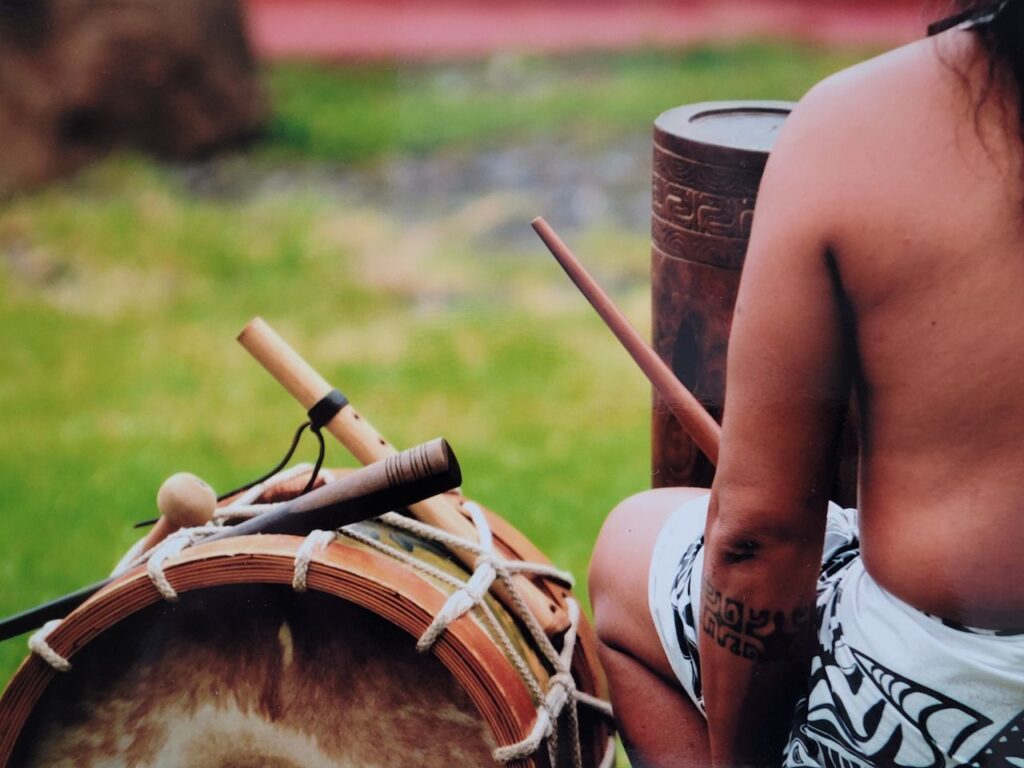
Across all of these experiences, the performance you will see is kapa haka, the Māori performing arts. It brings together haka, the powerful posture dance, poi, the swinging weighted cords, and waiata, sung with harmony and feeling. It is stirring to watch up close.
Kapa haka is not only entertainment. Each piece carries meaning, telling stories of ancestors, land and identity. Watching it performed by the people whose heritage it is, rather than a staged copy, is what gives it weight. Let it land rather than only filming it.
Type: performance · Best for: understanding the stories behind the movement.
Tips for Māori Cultural Experiences in Rotorua
Approach these as a guest. Many begin with a pōwhiri, a formal welcome that turns visitors from strangers into guests. Follow your host’s lead, stay quiet during the karakia and speeches, and take part when invited. The welcome matters, so give it your attention.
Ask before you photograph. Some places and moments are tapu, or sacred, and not everything is meant for a camera. A quick question shows respect, and the answer is almost always yes when it is appropriate.
Treat the living villages as homes. At Whakarewarewa and Ohinemutu, real families live where you are walking. Keep to the marked areas, lower your voice, and remember you are a visitor in someone’s home rather than a ticket holder.
Book the evening experiences ahead. Te Pā Tū, Mitai and Te Puia all fill quickly in summer, and most include transport from your accommodation. Reserve a few days out to be sure of a place.
Come to take part, not just to watch. The experiences that stay with people are the ones they lean into, joining the song, trying the hongi, asking the questions. The culture is offered generously, so meet it halfway.
How to Get to Rotorua
Rotorua sits in the central North Island, easy to reach from the main centres. It is about three hours’ drive from Auckland and an hour from Tauranga. Rotorua also has its own airport with direct flights from Auckland, Wellington and Christchurch.
Once here, the cultural sites are close together. Te Puia and Whakarewarewa sit side by side just south of the centre, and the evening villages run transport from your accommodation. A car helps for Hell’s Gate and the quieter corners.
Staying central puts you within reach of everything and close to the evening pickups. You can compare places to stay in Rotorua here and base yourself near the action.
Keep Exploring
Frequently Asked Questions
What are the best Māori cultural experiences in Rotorua?
Te Puia is the best all-round introduction, combining a geyser, a living arts institute and daytime performance. For an evening with a hāngī feast, Te Pā Tū and Mitai are the standouts. To see how people actually live, the Whakarewarewa living village is unmatched, and Ohinemutu offers a free and quieter visit.
What is the difference between Te Puia and Whakarewarewa?
They sit side by side in the same geothermal valley but are separate. Te Puia is a cultural park built around Pōhutu Geyser and the Māori Arts and Crafts Institute. Whakarewarewa is a living village where families still reside, offering a guided tour of everyday village life. Many visitors enjoy both.
Which Rotorua evening cultural experience is best?
It depends on what you want. Te Pā Tū is the most interactive and has the strongest reputation for food. Mitai is family-run, well loved and often the best value, with its memorable waka arrival. Both include a hāngī and transport, so either makes a strong evening.
What is a hāngī?
A hāngī is a traditional Māori meal cooked in an earth oven. Food is placed on heated stones, covered and left to steam for several hours, which gives it a tender, smoky character. In Rotorua, the natural geothermal ground is often used for the same purpose. It is a communal meal meant to be shared.
How do I show respect at a Māori cultural experience?
Follow your host’s lead, especially during the pōwhiri welcome and any karakia. Ask before photographing, as some places and moments are sacred. In living villages like Whakarewarewa and Ohinemutu, remember you are in someone’s home, so keep to the marked areas and be considerate. Taking part when invited is welcomed.
Final Thoughts
The Māori cultural experiences in Rotorua are not a performance bolted onto a holiday. They are a genuine welcome into a living culture, offered by the people who carry it. Approached with respect and openness, they become the part of a trip that stays with you longest.
Share the meal, listen to the stories, and take part when you are asked. The generosity here runs deep, and it asks only that you meet it with the same.
Come as a guest, and you will leave as more than a tourist.
Some of the links in this guide are affiliate links. If you book or buy through them, OneLife may earn a small commission at no extra cost to you. We only recommend experiences we would genuinely value ourselves, and we aim to represent Māori culture with care and respect.