 Skip to content

Updated 2026 · Shibuya, Tokyo, Japan · Estimated read: 14 min
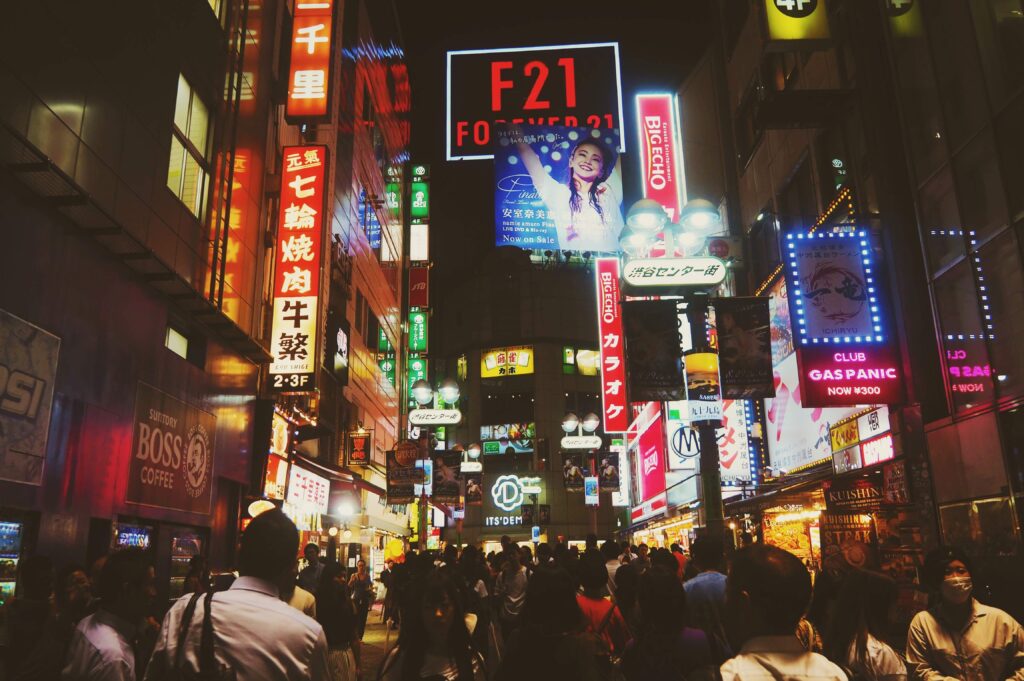
Nowhere else feels quite like Shibuya at night. The neon towers rise over the world’s busiest crossing. Thousands of people surge across at every light change. This Shibuya travel guide is your way into the chaos, and the calm behind it.
Shibuya is the pulse of young Tokyo. It is fashion, food, music, and neon in one dense district. The famous crossing is only the start. Behind it sits a maze of tiny bars, huge stores, and rooftop views.
This guide covers the whole district. The crossing, the Hachiko statue, and the Shibuya Sky rooftop. Where to eat, where to drink, and where to stay. It also covers costs, timing, and a few things that have quietly changed.
More Tokyo Guides
The Best Temples and Shrines in Tokyo
Where Is Shibuya and How Do You Get There
Shibuya is one of Tokyo’s central wards, on the west side of the city. It is a major transport hub and a magnet for shopping and nightlife. Shibuya Station is one of the busiest in the world. Almost every visitor to Tokyo passes through at some point.
Getting There from the Airports
From Narita Airport, allow around 75 to 90 minutes. The Narita Express train and airport buses both serve Shibuya. From Haneda Airport it is quicker, closer to 30 to 45 minutes by train or bus. Haneda is the easier arrival if you have the choice.
Travellers from Australia fly into Tokyo first. Direct flights from the east coast take around nine to ten hours. From either airport, the train network carries you straight into Shibuya with ease.
Getting Around Within Tokyo
Inside Tokyo, Shibuya could not be simpler to reach. It sits on the JR Yamanote loop line that rings the city. Several metro and private lines stop here too. Harajuku, Shinjuku, and Ginza are all a short ride away.
Practical Tip
Get an IC card, either Suica or Pasmo, on arrival. It taps you through every train and bus without buying tickets. Then follow the signs to the Hachiko exit. That exit brings you out right at the statue and the crossing.
What to Do in Shibuya
Shibuya rewards both the day and the night. Daytime is for shopping, coffee, and the views. Night is for neon, food, and bars. Here are the sights worth building your visit around.
Shibuya Scramble Crossing
This is the reason most people come. The Scramble Crossing is the busiest pedestrian crossing on earth. When the lights change, people pour across from every direction at once. As many as 3,000 people can cross in a single change.
Cross it yourself first, then find a spot to watch it. Several viewpoints look down on the scramble. The free Starbucks in the Tsutaya building has a famous window angle. Buy a drink and grab a seat early, as it fills fast.
The Hachiko Statue
Just outside the Hachiko exit stands a small bronze dog. Hachiko was an Akita who waited for his owner every day. He kept returning to the station for years after his owner died. The statue honours that loyalty, and it is now Tokyo’s favourite meeting point.
Shibuya Sky
For the best view in the district, head up Shibuya Sky. It crowns the Shibuya Scramble Square tower at 229 metres. The highlight is the open-air rooftop, with a full 360-degree view. From up there, the crossing shrinks to a tiny grid far below.
Adult tickets start from around 2,700 yen online, with a higher rate for the sunset slot. Book ahead, since the sunset times sell out well in advance. The rooftop is open-air, so it can close in bad weather. Guided Shibuya walks and Tokyo food tours can be booked through the OneLife Viator shop.
Shopping and Miyashita Park
Shibuya is a shopping heartland for young Tokyo. Shibuya 109 is the icon, packed with fashion for a youthful crowd. Center Gai runs off the crossing, lined with stores and eateries. Nearby, Miyashita Park is a rooftop park above shops and food stalls, and it is a good place to pause.

Food and Nightlife in Shibuya
This is where Shibuya truly comes alive. The district holds everything from cheap ramen to hidden cocktail bars. You can eat well for a few coins or splurge on a long izakaya dinner. The choice is enormous, and most of it is good.
Start with the food. Ramen counters and gyudon shops feed you fast and cheap. Center Gai is thick with casual eateries. The depachika food halls under the department stores are a hidden gem. They sell beautiful takeaway food at every price.
For drinks, seek out Nonbei Yokocho, known as Drunkard’s Alley. It is a tiny lane of bars that seat only a handful of people each. It feels like an older Tokyo tucked behind the neon. Beyond it, Shibuya runs the full range, from craft cocktail bars to famous nightclubs.
One rule has changed and matters here. Drinking alcohol on the street around Shibuya Station is now banned. The rule runs every night from 6pm to 5am, all year round. Enjoy your drinks inside the bars and izakaya instead, not out on the pavement.
Where to Stay in Shibuya
Staying in Shibuya puts you in the middle of the action. It is a superb transport base for the rest of Tokyo. It also means the nightlife is on your doorstep. Here is a rough guide by budget.
Budget
Hostels and capsule hotels cluster around the station. Beds start from roughly 3,500 to 6,000 yen a night. Many are clean, modern, and well run. They are a smart way to stay central without a big spend.
Mid-Range
Business and boutique hotels fill the middle of the market. Expect around 15,000 to 30,000 yen a night for a comfortable room. Rooms in Tokyo run small, so do not expect much space. You can compare current rates on Booking.com before you book.
Splurge
At the top end, Shibuya has sleek high-rise hotels with skyline views. Rates generally start around 45,000 yen and climb from there. A high floor here gives you the city lights from your window. For a special trip, it is a memorable way to stay.
How Much Does Shibuya Cost
Shibuya can be cheap or expensive, as you please. The crossing, Hachiko, and window shopping cost nothing. The spending comes with the paid views, the food, and the bars. A careful day here can run close to free.
Here is a rough sense of the numbers. Shibuya Sky is around 2,700 yen. A fast lunch runs 500 to 1,500 yen. A good izakaya dinner sits between 3,000 and 5,000 yen. A night out adds another 3,000 to 8,000 yen.
Add it up and a budget day lands near 5,000 to 7,000 yen. A more comfortable day runs closer to 15,000 to 20,000 yen. Carry some cash, since smaller bars and stalls still prefer it. Larger venues take cards without trouble.
Best Time to Visit Shibuya
Shibuya works all year, but the seasons each bring something. Spring and autumn are the most pleasant overall.
Spring, March to May. Mild weather and cherry blossom in the nearby parks. Yoyogi Park, a short walk away, is lovely in bloom. It is a popular and busy time to visit.
Summer, June to August. Hot and humid, with a rainy spell early on. The neon and the indoor spots still shine. Just plan around the heat of the day.
Autumn, September to November. Comfortable weather and autumn colour in the parks. Many travellers rate this the best season for Tokyo.
Winter, December to February. Cold but clear, with bright winter light. The city dresses up in seasonal illuminations. Prices can ease outside the holiday peak.
Whenever you come, see Shibuya once by day and once by night. The district changes completely after dark. The neon is the version most people remember.
Things Worth Knowing Before You Go
A few points make a Shibuya visit smoother. Remember the street-drinking ban around the station, in force nightly. Avoid planning a trip around Halloween or New Year’s Eve here. The ward now discourages the old crossing gatherings, and security is heavy.
You will walk a great deal, so wear comfortable shoes. Australia and Japan use different power plugs, so pack an adapter. A simple universal travel adapter covers it. Tap water is safe, and tipping is not expected anywhere.
Travel insurance is worth arranging before you leave home. It covers the small mishaps that can derail a trip. A plan through World Nomads is a straightforward option for Japan. Check the current details on the official GO TOKYO tourism site as you plan.
How Long Should You Spend in Shibuya
Half a day covers the headline sights. That gives you the crossing, Hachiko, and Shibuya Sky. Add an evening for the food and the bars. A full day and night is the ideal.
Shibuya also makes a strong base for wider Tokyo. Harajuku and Meiji Shrine are a short walk or one stop away. To pair the neon with something older and calmer, see the best temples and shrines in Tokyo. The contrast is part of what makes the city special.
Planning Your Visit with This Shibuya Travel Guide
Use this Shibuya travel guide to shape a day and a night in the district. Book Shibuya Sky ahead, cross the scramble, and eat your way through the lanes. Then use the rest of the OneLife Tokyo guides to build out the wider trip. More are on the way.

Frequently Asked Questions
Is Shibuya worth visiting?
Yes, it is one of Tokyo’s essential districts. You get the world’s busiest crossing, the Hachiko statue, and a superb rooftop view. Add the food and the nightlife and it earns a full day and night. Few parts of Tokyo pack in this much energy.
How long should you spend in Shibuya?
Half a day covers the main sights. A full day and night is better. That lets you shop and see the views by day, then eat and drink by night. It also works as a base for the rest of Tokyo.
How much are Shibuya Sky tickets?
Adult tickets start from around 2,700 yen when booked online in advance. Sunset slots cost more and sell out early. Book ahead through the official site to secure your time. The rooftop can close in bad weather, since it is open-air.
Where is the best view of Shibuya Crossing?
Shibuya Sky gives the highest and best overall view. For a closer top-down angle, the rooftop above Magnet by Shibuya109 works well. The Starbucks in the Tsutaya building offers a free eye-level view with a drink. Arrive early, as the seats fill quickly.
Can you drink alcohol on the street in Shibuya?
No, not around Shibuya Station at night. A ban applies every night from 6pm to 5am, year-round. Drink inside the bars and izakaya instead. Avoid Halloween in Shibuya too, as the ward now discourages the old street gatherings.
Final Thoughts on Shibuya
Shibuya is Tokyo at full volume. It is neon, crowds, and motion in every direction. Yet it holds quiet corners too, if you look for them. A tiny bar down an alley can feel a world away from the crossing.
The trick is to give it both a day and a night. See the views and the shops in the light. Then come back for the neon and the food after dark. The two versions of Shibuya barely feel like the same place.
This Shibuya travel guide gives you the shape of a visit. The rest is best discovered on foot, one lane at a time. Cross the scramble, look up at the towers, and let the district pull you in. Few places on earth do energy quite like this.
This post contains affiliate links. If you book or purchase through them I may earn a small commission at no extra cost to you.