 Skip to content

Working in Whistler
There’s a reason so many people dream about working in Whistler. It’s one of those places that seems almost too good to be real — world-class skiing in winter, alpine lakes and hiking trails in summer, and a tight-knit community built around adventure. But while the lifestyle looks incredible from the outside, actually living and working here comes with its own set of realities that aren’t always talked about.
When I first considered working in Whistler, what I didn’t fully expect was just how intense the experience would be — in both the best and most challenging ways. It’s not just a casual seasonal destination. It’s fast-paced, competitive, and at times overwhelming. But if you get it right, it can also be one of the most rewarding periods of your life.
Most people who move here are on a working holiday visa, often through the International Experience Canada program. That means a mix of travellers, seasonal workers, and long-term locals all living in the same small mountain town. The result is a unique environment where people come for the lifestyle, but quickly realise they need to work hard to sustain it.
Working in Whistler in 2026 is still very much about balance. You’re not just here to earn money — you’re here to experience something different. But understanding how the system works before you arrive can make all the difference between struggling through it and actually enjoying it.
What It’s Actually Like Living and Working in Whistler
One of the first things you’ll notice when living in Whistler is how quickly everything becomes routine — even things that would feel extraordinary anywhere else. You wake up surrounded by mountains, grab a coffee in the village, head to work, and then maybe finish the day with a snowboard run or a sunset hike. That becomes normal.
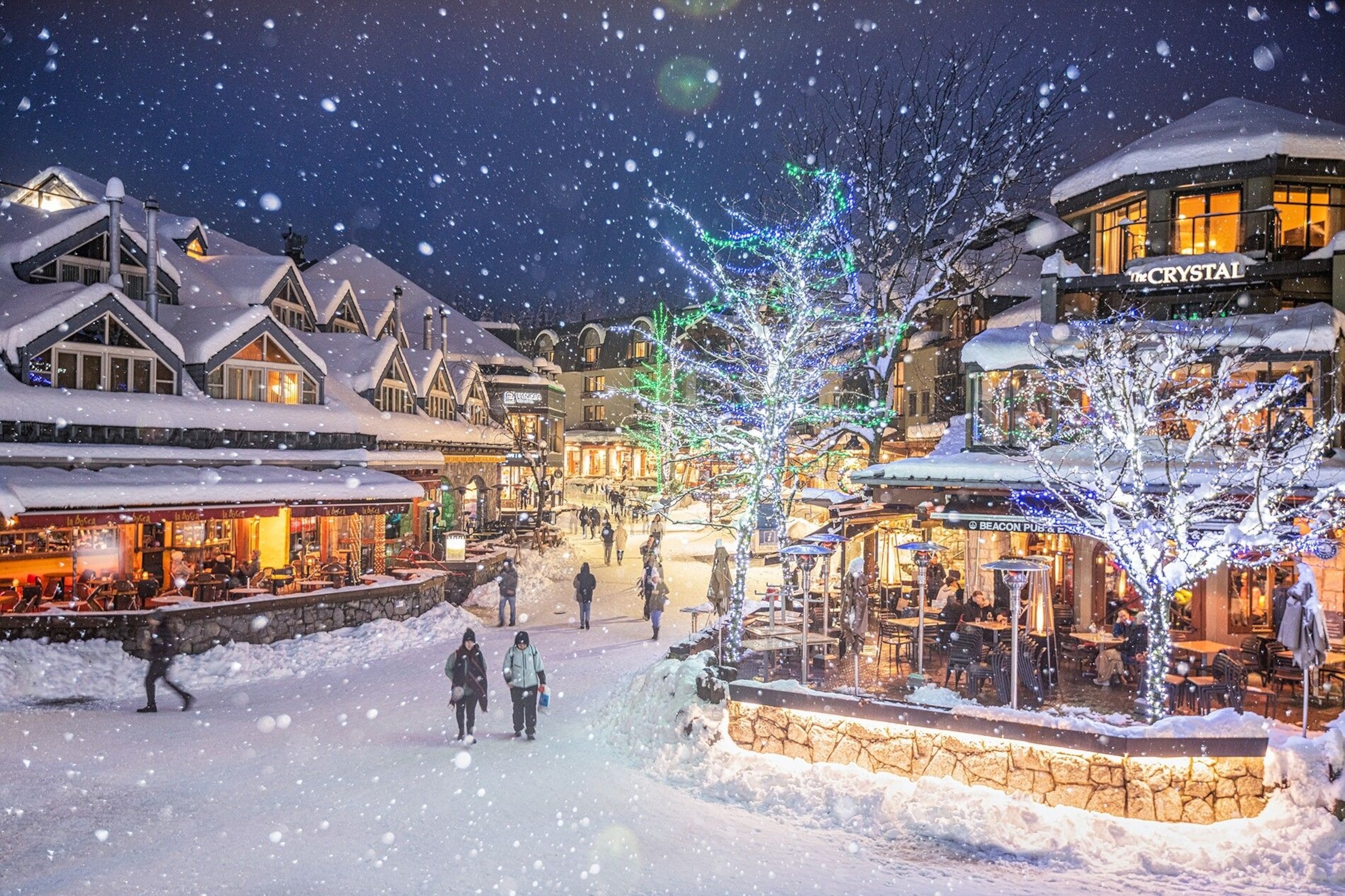


What surprised me most was how social the environment is. People arrive alone, but no one stays alone for long. Whether it’s staff housing, shared rentals, or just working in hospitality, you’re constantly meeting new people. It creates this unspoken sense that everyone is in the same situation — figuring things out together.
The work culture itself is quite different from what many expect. It’s not overly formal, but it is demanding. Employers know people want to be here, so shifts can be long, especially during peak seasons. At the same time, there’s a strong understanding that lifestyle matters. It’s not uncommon for people to swap shifts just to catch a powder day or take advantage of good weather.
Another thing worth knowing is that Whistler operates in waves. Winter is busy, intense, and centred around skiing. Summer is more relaxed but still active, with hiking, biking, and tourism driving the town. In between, there are quieter shoulder seasons where things slow down significantly.
Living in Whistler feels like being part of something temporary but meaningful. Most people aren’t here forever, and that creates a sense of urgency to make the most of it.
Types of Jobs Available in Whistler
When it comes to jobs in Whistler, the majority fall into tourism and hospitality. This includes roles in cafes, restaurants, bars, hotels, and retail stores throughout the village. These are often the easiest positions to get, especially if you have some previous experience.
Beyond that, there are also roles directly connected to the mountain. Whistler Blackcomb employs a huge number of seasonal staff for lift operations, ski instructors, rental shops, and guest services. These jobs can be highly sought after, particularly because they often come with perks like discounted lift passes.
Another area that tends to have opportunities is housekeeping and cleaning roles, particularly in hotels and short-term rentals. While these jobs might not be glamorous, they are often easier to secure quickly and can provide a stable income while you look for something else.
There’s also a growing number of remote and freelance workers living in Whistler, especially during the summer months. However, if you’re arriving on a working holiday, most people start with in-person roles before transitioning into something more flexible.
How to Get a Job in Whistler
There’s always a question of whether you should secure a job before arriving or wait until you get there. In reality, both approaches can work — but they come with different risks.
If you apply online before arriving, platforms like Indeed and WorkBC can give you a head start. Some employers will hire remotely, especially if they’re preparing for a busy season.
However, what worked best for me when looking for work was applying in person. Walking through the village with printed resumes and speaking directly to managers made a huge difference. It’s a small town, and personal interaction still matters here more than you’d expect.
Timing is also crucial. Arriving just before peak seasons — late November for winter or late May for summer — gives you the best chance of finding work quickly. Arriving too late can mean most roles are already filled, which puts pressure on your finances.
Networking plays a bigger role than people realise. Many jobs aren’t even advertised. You’ll hear about opportunities through housemates, coworkers, or people you meet out. That’s part of the Whistler experience — things tend to happen through connections rather than formal processes.
Accommodation While Working in Whistler
Accommodation is, without question, the biggest challenge when living in Whistler. It’s competitive, expensive, and often the deciding factor in how your experience plays out.


Most people start in one of three situations: staff housing, shared rentals, or short-term stays like hostels. Staff housing can be the easiest option if your employer offers it, but spaces are limited and conditions can vary.
Shared housing is the most common route, but it’s also where competition is highest. It’s not unusual to share a room with multiple people, especially when you first arrive. Prices can be surprisingly high for what you get, simply because demand outweighs supply.
If you’re still planning your move, you can view available accommodation in Whistler here to get a realistic sense of pricing and availability. It’s also worth comparing options and checking latest prices for Whistler stays before arriving, as costs can change quickly depending on the season.
For a deeper breakdown of options, you can check out our full guide on Best Budget Accommodation in Whistler on onelife101.com, which covers specific areas, pricing, and realistic expectations.
Another thing worth knowing is that housing often comes through word of mouth. Facebook groups and local connections are still some of the most effective ways to find a place.
Cost of Living in Whistler
Living in Whistler is expensive — there’s no way around it. Rent is the biggest expense, but everything else adds up quickly.
Groceries tend to be higher than average due to the town’s location. Eating out is common, but it’s not cheap unless you’re taking advantage of staff discounts. Transport is relatively straightforward, as Whistler has a reliable local bus system, but many people simply walk or bike.
What catches most people off guard is how quickly small expenses build up. Coffee, après drinks, lift passes, gear rentals — it all contributes to a higher overall cost of living.
That said, many jobs in Whistler come with perks. Staff discounts, free or reduced lift passes, and occasional meals can offset some of the costs. It doesn’t make it cheap, but it makes it manageable if you’re aware of it going in.
How Much Money You Should Bring
One of the biggest mistakes people make when planning a working holiday in Whistler is underestimating how much money they need upfront.
A realistic starting point is at least AUD $5,000–$8,000 equivalent. This gives you enough buffer to cover accommodation, food, and daily expenses for your first few weeks while you’re finding work and settling in.
The first two to three weeks are often the most expensive. You’re paying deposits, buying essentials, and potentially staying in temporary accommodation. Having that financial cushion removes a lot of stress and allows you to be selective rather than desperate when job hunting.
Best Areas to Live in Whistler
If you want to be close to everything, Whistler Village is the obvious choice. It’s where most jobs, restaurants, and nightlife are located. Living here means convenience, but it also comes at a higher cost.
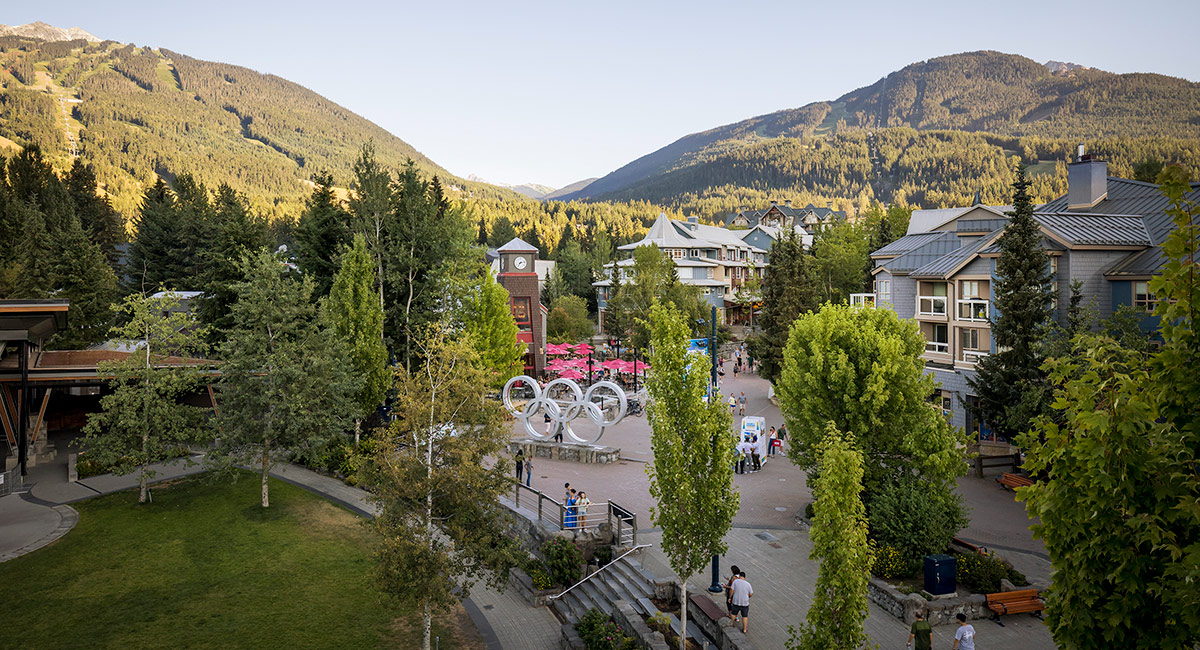

On the other hand, areas like Creekside offer a slightly quieter lifestyle while still being well connected. It’s often more affordable and less crowded, which appeals to people who want a balance between work and downtime.
Further out, places like Function Junction or even Squamish can offer cheaper accommodation. However, this usually means commuting, which adds time and cost to your daily routine.
Choosing where to live often comes down to priorities — convenience versus affordability.
Pros and Cons of Working in Whistler
There’s no denying that working in Whistler has some incredible advantages. The lifestyle is unique, the environment is beautiful, and the social scene is unlike anything else. What I found most rewarding was the sense of freedom — the ability to structure your life around experiences rather than just routine.
At the same time, there are challenges. What I found most difficult was the cost of living combined with housing pressure. It can feel competitive, especially when you first arrive and everything is uncertain.
There’s also the reality that you’re often working while others are on holiday. Peak seasons can be intense, and it’s easy to feel burnt out if you don’t manage your time well.
But for most people, the positives outweigh the negatives — especially if you go in prepared.
Tips to Make the Most of Your Experience
One of the best things you can do is say yes to opportunities. Whether it’s a last-minute hike, a weekend trip, or a new job, flexibility tends to lead to the best experiences in Whistler.
At the same time, maintaining some structure is important. Balancing work with downtime helps prevent burnout, especially during busy periods.
Building connections early also makes a huge difference. The people you meet will shape your experience more than anything else.
Common Mistakes to Avoid
A lot of people arrive in Whistler with unrealistic expectations. They assume they’ll find accommodation immediately, secure a job within days, and start living the dream straight away. In reality, it takes time.
Another common mistake is underestimating costs. Without a financial buffer, small setbacks can become major problems.
Waiting too long to find housing is another issue. The earlier you start looking, the better your chances of finding something decent.
Travel and Lifestyle Opportunities in Whistler
One of the biggest reasons people choose to work in Whistler is everything outside of work.


From skiing at Whistler Blackcomb to hiking around Garibaldi Provincial Park, there’s always something to do. Even simple things like exploring the Sea to Sky Highway can turn into memorable experiences.
For more detailed itineraries and activity ideas, check out our Whistler travel guides and activity posts on onelife101.com, where we break down hikes, viewpoints, and seasonal highlights.
Frequently Asked Questions About Working in Whistler
Is it hard to find a job in Whistler?
It depends on timing. Arriving before peak seasons makes it much easier.
How much can you earn?
Most entry-level jobs pay around minimum wage, with tips increasing income in hospitality roles.
Is it worth it?
For most people, yes — but only if you’re prepared for the cost and housing challenges.
Can you save money while working in Whistler?
It’s possible, but difficult. Most people break even or save a small amount.
Do you need a visa?
Yes, most travellers use the International Experience Canada working holiday visa.
When is the best time to arrive?
Late November for winter or late May for summer.
Is staff housing reliable?
It can be helpful, but availability is limited and conditions vary.
Final Thoughts on Working in Whistler
Working in Whistler is one of those experiences that stays with you long after you leave. It’s not perfect, and it’s not easy — but that’s part of what makes it worthwhile.
If I were starting again in Whistler, I would arrive earlier, save more money beforehand, and prioritise accommodation straight away. Those three things alone would have made the entire experience smoother.
Beyond that, I’d approach it with the same mindset: stay open, take opportunities as they come, and remember why you chose to be there in the first place.
Because at the end of the day, working in Whistler isn’t just about the job — it’s about everything that happens around it.