 Skip to content

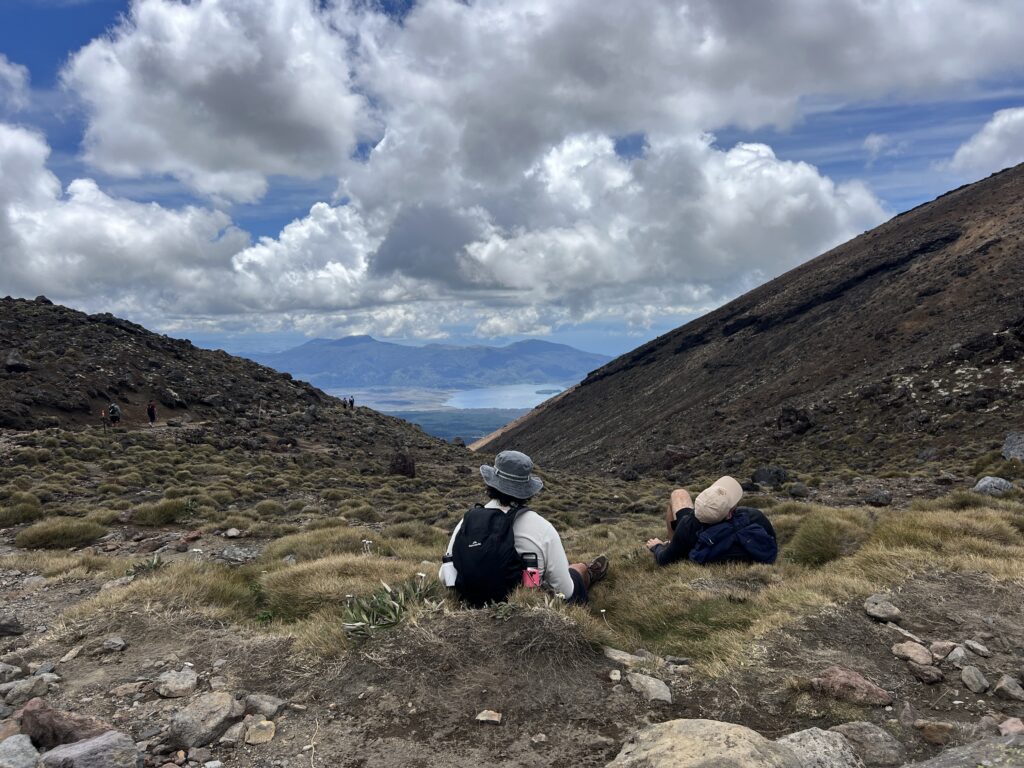
The Tongariro Alpine Crossing is one of the most iconic day hikes in the world, and choosing the best time to do the Tongariro Alpine Crossing can mean the difference between a clear summit under blue skies and a forced turnaround in wind and rain. This is not a gentle trail. It crosses an active volcanic landscape, climbs to 1,886 metres, and is fully exposed to whatever the mountain decides to do that day. The weather here does not negotiate.
Done on the right day, it is one of those walks that stays with you. The Emerald Lakes glowing beneath Red Crater. The red scoria dropping away beneath your feet. The silence between wind gusts. Done on the wrong day, it is a battle you may not win.
This guide walks you through every season, explains what the mountain is actually like in each one, and gives you the practical information you need to plan well.
The Tongariro Alpine Crossing at a Glance
Before diving into the seasons, here is a quick overview of the essential facts.
Distance: 19.4 km one-way
Duration: 6 to 8 hours
Elevation gain: Approximately 800 metres, starting at 1,100 metres
Track type: One-way, point to point
Booking: Required for all hikers via the DOC booking system (free, no cap on numbers)
Shuttle: Strongly recommended – a four-hour parking limit applies at Mangatepopo during the main season
Season: Open year-round, with the main hiking season running from late October to late April
Why the Season Matters More Than You Think
Most hikes are just hikes. You pick a date, you go, you enjoy it. The Tongariro Alpine Crossing is different. It sits in an alpine environment where weather systems roll in fast and conditions can shift within hours. Shuttle operators cancel departures based on forecasts. DOC issues warnings when conditions are unsafe. Every year, hikers underestimate the mountain and find themselves in genuine trouble.
Knowing the season does not just affect your comfort. It affects your safety, your likelihood of actually finishing, and the experience you come away with.
What the Weather Does Up Here
The crossing starts at around 1,100 metres and climbs to nearly 1,900 metres at Red Crater. Temperature differences between the carpark and the summit can be ten degrees or more. Wind speeds at the top are often severe. Rain can arrive with almost no warning, turning the scoria slopes and the descent into something far more demanding than the forecast suggested.
The west side of the mountain tends to attract more cloud cover. It is not uncommon to begin the walk in grey weather and find it improving after Red Crater. But the reverse happens too.
Summer: November to April
Summer is the best time to do the Tongariro Alpine Crossing for most people. The weather is more stable, the track is fully accessible, and the Emerald Lakes are at their most vivid. If you want the complete experience with the best chance of a clear sky, this is your window.
November and December
November marks the start of the official hiking season, and it brings with it a specific kind of energy. The mountain is waking up. Snow is melting at higher elevations, alpine flowers are appearing, and the crowds have not yet arrived in full. It is genuinely one of the better times to walk if you are comfortable with slightly unpredictable spring conditions.
The trade-off is weather. November can be gusty and cool, with spring rain arriving unexpectedly. Layers are essential. That said, many hikers who complete the crossing in November say it feels more raw and less managed than the peak summer months, and they mean that as a compliment.
December is the start of the busier period, though it is still more manageable than January or February. Conditions begin to settle and temperatures rise.
January and February
These are the two busiest months on the track. On a popular day, over 1,500 hikers may be walking the crossing simultaneously. If you go in January during the school holiday period, particularly in the first two weeks, expect company. The second half of January, when Kiwis return to work and before the overseas visitor peak fully sets in, is often described by locals as the golden window. Warm, settled, and slightly quieter.
February tends to have the most predictable weather of the entire year. The summer high-pressure systems sit reliably over the island, and clear days are genuinely clear. This is the trade-off: the best weather also attracts the most people. If crowds do not bother you and you want the best conditions, February is hard to argue with. If you want February weather without February crowds, aim for a midweek departure.
March and April
March and April are the hidden secret of the crossing. The crowds begin to thin, the light shifts into that warm amber quality that autumn brings, and the weather remains settled. April can still be beautiful, though temperatures start to drop and there is a greater chance of rain. By mid-April the season is winding down, and completing the crossing without a thousand other people around you starts to become genuinely possible.
Easter weekend is traditionally one of the busiest long weekends on the track. If your dates fall around Easter, plan early starts and book transport well in advance.
Autumn: May and June
Autumn sits in a transitional space. Technically the main hiking season wraps up at the end of April, but May can still offer good conditions, particularly in the first few weeks. The atmosphere is quieter, the colours across the lower parts of the park shift beautifully, and the experience feels closer to solitary.
What Changes in Autumn
By May, temperatures at higher elevations drop sharply. Snow can appear at the summit from May onwards, and the track may become icy or treacherous in sections. Completing the crossing in May is possible, but it requires solid preparation, appropriate footwear, and a careful eye on the forecast.
June is a different story. Snow and ice become increasingly likely, and most hikers without alpine experience should wait until the next season. That said, guided winter experiences do begin to operate around this period for those who are properly equipped.
Winter: June to September
Winter is not closed season. The crossing is open year-round, and some hikers actively seek the mountain in winter for its dramatic character and near-total solitude. But it is a fundamentally different experience, and it demands a different level of preparation.
The Winter Experience
From late May through to September, the crossing carries heavy snow. Ice axes and crampons are not optional gear in winter. They are essential. A fatal accident occurred on the crossing in August 2022, and DOC and local operators take winter safety extremely seriously. Going with a guided company that has genuine alpine experience is strongly recommended if you plan to attempt it in the colder months.
What winter offers in return is extraordinary. The mountain stripped back to its raw elements. No crowds. Ice-encrusted craters. Steam venting against grey skies. A world that feels entirely removed from the one below.
Daylight hours are also shorter in winter, with between nine and eleven hours of usable light. Starting early is not optional.
Who Winter Is For
Winter hiking on the Tongariro Alpine Crossing is for experienced hikers with the right gear and ideally a local guide. If you are fit, well-equipped, and comfortable in alpine winter conditions, it can be one of the more memorable things you do in New Zealand. If you are not, wait for spring.
The Best Time to Do the Tongariro Alpine Crossing: A Clear Summary
If you want a definitive recommendation rather than a range of options, here it is.
Best overall window: Late January to April. Stable weather, good temperatures, and the full track in excellent condition. February has the most reliable weather of any month.
Best for avoiding crowds: November, or March to early April. You get solid conditions with significantly fewer people sharing the track.
Best for a quiet, moody experience: May (with caution and preparation) or a winter guided walk for those with alpine skills.
Avoid if you can: Peak January school holidays if crowds bother you. Any season without checking the forecast within 24 hours of your departure.
Practical Things to Know Before You Go

Booking Your Crossing
As of October 2023, all hikers are required to register with the Department of Conservation before walking the track. The booking is free and there is currently no cap on numbers, but you will need a valid DOC booking reference before you can arrange a shuttle or guided walk. Book through the official DOC website at doc.govt.nz. From late 2027, a small fee will apply for international visitors, though the crossing remains free for New Zealanders.
Getting There and Back
The crossing is a one-way track. You start at Mangatepopo and finish at Ketetahi. This means your car will be at the wrong end when you finish, which is why a shuttle is strongly recommended. DOC enforces a four-hour parking limit at Mangatepopo from mid-October through April, making it impractical to leave a vehicle there for the full crossing duration. The Ketetahi Car Park is a private, secure option that includes shuttle access to the start.
Shuttles depart from several nearby villages including Tongariro National Park Village and Whakapapa Village. Book your shuttle in advance, particularly during peak season.
What to Bring
Regardless of the season, certain gear is non-negotiable on the crossing.
Layers are essential. Even on warm summer days, the temperature at Red Crater may be ten degrees cooler than at the start. A wind and waterproof outer layer is not optional. Proper hiking footwear with ankle support is strongly recommended. The descent from Red Crater is steep and loose, and standard running shoes struggle.
Food and water for at least six to eight hours. Sun protection above the treeline is significant, particularly in summer. Poles help considerably on the descent. In winter, crampons and an ice axe belong on that list too.
Weather Forecasting
Always check the forecast within 24 hours of your hike. Shuttle operators monitor conditions closely and will cancel services when safety is at risk. This can happen the morning of your scheduled departure. If your shuttle cancels, you do not hike. Build flexibility into your itinerary to allow for a second attempt if weather shuts down your first window.
The MetService mountain forecast is the most reliable source for Tongariro conditions. The tongarirocrossing.org.nz website also provides current weather and track information.
Book a Tour or Guided Experience
If you want to take the logistics off your hands entirely, or if you want expert guidance, particularly in shoulder season or winter, Viator lists a range of guided crossing experiences and transport options. You can browse current tours and availability here: Tongariro Alpine Crossing tours on Viator.
For general Taupo and Tongariro region experiences, this broader search covers the wider area: Taupo tours and experiences on Viator.
Frequently Asked Questions
What is the best month to do the Tongariro Alpine Crossing? February offers the most consistently stable weather and clear skies. For a balance of good conditions and smaller crowds, late January or March are strong alternatives.
Can you do the Tongariro Alpine Crossing in winter? Yes, but it requires proper alpine gear including crampons and an ice axe, and ideally a guided service with winter experience. It is not recommended for inexperienced hikers.
How many people walk the Tongariro Alpine Crossing each year? Around 130,000 to 150,000 people complete the crossing annually during the main season. On peak summer days, more than 1,500 hikers can be on the track simultaneously.
Do I need to book to walk the Tongariro Alpine Crossing? Yes. Since October 2023 all hikers must register with the Department of Conservation. The registration is free and does not currently limit numbers. You need a booking reference before arranging a shuttle.
What happens if the weather is bad on my booked day? Shuttle operators will cancel services if conditions are unsafe. You cannot walk the crossing without a shuttle booking unless you have your own vehicle logistics sorted. Build an extra day or two into your itinerary when possible to allow for weather delays.
Is the Tongariro Alpine Crossing suitable for beginners? In summer conditions, yes, for people who are reasonably fit. The crossing is demanding but does not require technical climbing skills. The steep descent from Red Crater is the section most people find challenging. In winter it is not suitable for beginners under any circumstances.
How long does the Tongariro Alpine Crossing take? Between six and eight hours for most people at a steady pace. Starting early gives you a buffer and lets you reach Red Crater before the midday crowds.
One Last Thought
The best time to do the Tongariro Alpine Crossing is the day you are genuinely prepared for it. Not just fit enough, but with the right gear, a solid forecast, a shuttle booked, and a flexible mindset if the weather turns.
The mountain does not promise anything. It will give you one of the most striking landscapes you have ever walked through, or it will close the door entirely and make you wait. That uncertainty is part of what makes it worth planning carefully.
Pick your window, check the forecast, and go.